
Published 27/05/26

Published 27/05/26
At wienerberger, we are building for what’s next by scaling our manufacturing capabilities and accelerating our long-term carbon emission reduction goals. As part of this commitment, we have begun constructing Factory e, a fully electrified, renewable-powered clay roof tile manufacturing process. This new production line at our Broomfleet tileworks in the East Riding of Yorkshire features a state-of-the-art electric tunnel kiln, replacing the natural-gas-fired process.
The Factory e project is not just an engineering upgrade; it is a major opportunity for us to drive decarbonisation through innovation by removing natural gas from the roof tile firing process. Once operational, the electric kiln is expected to reduce Scope 1 carbon emissions from this factory production line by 75%, saving 4,700 tonnes of CO2 per year.
Following the transition from a gas-fired kiln to an electric kiln running on renewable electricity, wienerberger’s customers will have access to clay roof tiles with relatively low embodied carbon emissions, whilst maintaining product quality and performance.


To provide further insights into this new manufacturing line, we spoke to the Project Manager at Broomfleet, Rob Jennings who has worked at wienerberger for eleven (11) years and now plays a key role in bringing Factory e to life.
“The Factory e project at Broomfleet aims to transform the way that plain tiles are manufactured here. Old and outdated technology will be replaced with state-of-the-art equipment, which will increase automation and improve safety systems throughout the plant.”
Looking ahead to the transition to an electric kiln, Rob explains how this change will impact our people, customers, and the future of roof tile manufacturing.
“The site is already preparing for the electric kiln by carrying out several trials on different temperatures, firing curves and other aspects that go with the changing technology. This change also means the team at Broomfleet will have to adapt to the new electric firing process and this involves learning, adapting, and collaborating differently. Once completed, the team will have to work with the supplier of the electric tunnel kiln to gain knowledge, training and understanding on how the new process works.”
Rob’s involvement in the Factory e project is rooted in his many years of experience working on the manufacturing line that is now being upgraded to the electric line.
“I started with wienerberger in 2014 working as an electrician here at Broomfleet. In 2015, I moved into a Production Engineer’s role, and then in 2016, I moved into the role of Production Manager. Since I have some expertise in managing this factory, the opportunity to manage the Factory e Project naturally felt like a good way to further my learning and development. The project, which began in 2022 is planned to be completed in 2027, and the new factory will be replacing the plain tile production line, which I was managing in my previous role.”
“A lot of what the project entails is transferring the existing product range into the new plant. Since the project started, work has been incredibly busy and hectic with lots of civil construction going on in preparation for all the new equipment being installed. I’m also working with various suppliers from all over the world who are responsible for the equipment and technology that will be used for the new plant.”
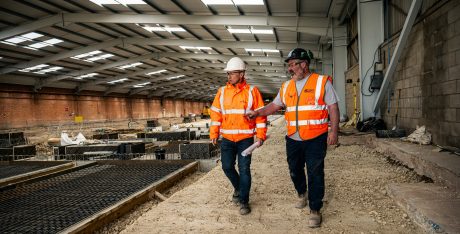
When asked what keeps him motivated, Rob points to the variety of his role and the collective effort behind every achievement.
“The variety of work here at Broomfleet and at wienerberger overall is one of the big things that keeps me engaged all the time. It’s good to see the reward for the hard work that you put in out on the shop floor. Also, all I’ve been able to achieve here would not have been possible without the hard work of the teams on site and across the business. Their support, effort and expertise are what make projects like this possible.” - Rob Jennings, Project Manager, wienerberger, Broomfleet, UK.


