
Published 09/06/26

.jpg)
Published 09/06/26
For architects and specifiers, the facade is where creativity meets performance. Brick remains one of the most versatile materials in modern construction - offering texture, depth, and enduring visual appeal across residential and commercial projects. wieneberger's extensive range of clay facing bricks allows you to create visually distinctive facades while meeting performance and planning requirements.
In this curated list, we explore five standout wienerberger case studies that demonstrate how carefully selected brick products transform the visual identity of a building.


Product used: Marziale bricks
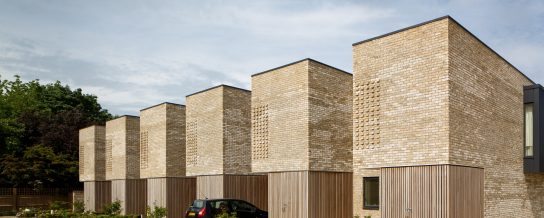
The Seven Acres development in Cambridge showcases how brick can unify large residential schemes. Constructed using wienerberger's Marziale facing brick, the project delivers a consistent, elegant facade across 128 homes.
Subtle tonal variations create visual depth while maintaining a cohesive streetscape - key for masterplanned developments. Reveal the full case study, including the awards and accolades it won, below:
Why it stands out:


Product used: Marziale bricks
At Vineyard House, architects needed a brick that could complement traditional Cotswold stone while delivering a clean, modern extension. The chosen wienerberger brick provides a seamless visual dialogue between old and new, supporting planning requirements while enhancing the architectural language.
Why it stands out:
Specifier insight:
A strong example of how brick selection influences success in conservation-sensitive environments.


Product used: Con Mosso bricks
The Carmelite Monastery demonstrates how brick can create a calm, atmospheric facade. Using wienerberger's Con Mosso brick, the building's exterior subtly shifts throughout the day as light interacts with its textured surface. This creates a dynamic yet restrained facade that reflects the building's contemplative purpose.
Why it stands out:


Product used: Anglesey Weathered Buff bricks
At the Bedwas Mental Health Facility, the facade plays a crucial role in creating a calming, therapeutic environment. Architects specified wienerberger's Anglesey Weathered Buff brick for its soft, weathered appearance and ability to blend with local sandstone tones. The result is a contemporary building that feels welcoming and deeply rooted in its surroundings.
Why it stands out:
Why this project is one of our favourites:
The project illustrates how brick facades can support both aesthetic integration and occupant wellbeing, especially in sensitive environments.


Product used: Terca Super White bricks
Ilona Rose House features a bold composition of materials, with wienerberger's Terca Super White bricks forming a key part of the facade.
The use of tumbled bricks introduces a weathered, textured character, balancing more contemporary materials such as metal and decorative panels.
Why it stands out:
Why brick facades continue to lead in UK architecture
These case studies highlight why clay brick remains a leading facade material for architects and specifiers:
From contextual housing schemes to expressive architectural landmarks, wienerberger bricks enable facades that are both visually striking and technically robust. Explore our brick case studies on our website:
.jpg)


