
Published 22/05/26


Published 22/05/26
On 22 May, International Day for Biological Diversity shines a light on one of the most urgent global challenges we face: the accelerating loss of nature. In the UK, biodiversity is under increasing pressure, with habitats and species declining at a pace that threatens ecosystem resilience and long‑term wellbeing.
This year’s theme, “acting locally for global impact”, is a powerful reminder that while biodiversity loss is a global issue, meaningful change starts much closer to home. From the habitats around our workplaces to the communities we operate in, local action plays a critical role in restoring nature and building resilience for the future.
Biodiversity underpins healthy ecosystems, resilient supply chains and human wellbeing. Yet in the UK, nature continues to face pressure from habitat loss, climate change and resource use. Addressing this decline requires more than policy alone, it depends on practical, on‑the‑ground action delivered at scale and sustained over time.
Environmental volunteering and local conservation initiatives are a vital part of this response. They support habitat creation, species monitoring and community engagement — all essential building blocks for long‑term nature recovery.
One of the most effective ways local action supports biodiversity is through habitat creation and restoration. Practical conservation work, from managing grasslands to improving wetland areas, is often labour‑intensive. Without volunteers and strong local partnerships, much of this work would simply not happen at the scale required to deliver meaningful ecological benefit.
Volunteering also plays a crucial role in improving biodiversity data. Many species, particularly invertebrates, remain under‑recorded, limiting our understanding of how ecosystems are changing. By supporting surveys and citizen science initiatives, volunteers help build the evidence base that informs local and national nature recovery strategies.
Although these efforts take place locally, their impact extends far beyond individual sites. When combined across regions, they contribute to wider initiatives such as nature recovery networks and biodiversity net gain, demonstrating how small, consistent actions can add up to significant environmental outcomes.


Partnerships are essential to turning biodiversity ambition into action. We’re proud to work with organisations such as Chester Zoo, supporting practical conservation activities that protect UK native species and vital habitats. Through volunteering and long‑term collaboration, these partnerships help deliver measurable conservation outcomes while increasing understanding of the challenges nature faces.
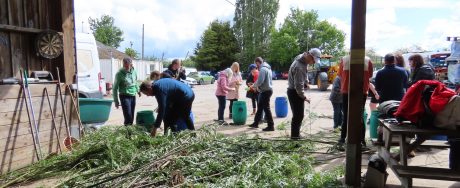
For example, wienerberger teams recently took part in two corporate volunteering days with Chester Zoo, giving colleagues the opportunity to support conservation first‑hand while learning more about the species and habitats they were helping to protect. One group helped provide fresh, nutritious food for animals such as giraffes, elephants and rhinos. By working alongside keepers to cut lengths of willow, they supported the zoo in ensuring animals receive enrichment and a healthy diet year‑round. A second group supported wildlife recording within the site’s nature reserve.
Volunteering opportunities with conservation partners can include:
These experiences not only support conservation work on the ground, but also help colleagues build deeper connections with nature, an important driver of long‑term behaviour change.
Local action is also central to how the built environment can support biodiversity. Designing and managing sites with nature in mind — from enhancing existing habitats to integrating biodiversity features into developments, helps ensure that growth and nature recovery go hand in hand.
This approach sits at the heart of our Biodiversity Strategy and our wider ambition of building for what’s next. It includes a commitment to becoming a nature‑positive business and delivering an average minimum 10% biodiversity net gain across land assets by 2030.
International Day for Biological Diversity is an opportunity to reflect on the role we all play in protecting and restoring nature. Whether through volunteering, partnerships or more biodiversity‑conscious design and land management, local action remains one of the most powerful tools we have to drive global change.
As our Biodiversity Manager explains:
“Volunteering is one of the most direct ways we can turn our biodiversity ambitions into real impact. Whether it’s restoring habitats or supporting species monitoring, these local actions all contribute to something much bigger.” - Maisie McKenzie, Biodiversity Manager
By continuing to act locally, we can help build healthier ecosystems, stronger communities and a more resilient future — truly building for what’s next.


