
Published 15/05/26

Published 15/05/26
With the Future Homes Standard now published earlier this year, new build specification has firmly moved beyond simply meeting minimum thresholds. Instead, housebuilders are required to think much more strategically – anticipating performance, managing risk and ensuring compliance across a building’s entire lifecycle.
Our Strategic Marketing Manager – Housing, Luke Gale, explores how housebuilding is being reshaped by the Future Homes Standard, and examines the evolving role of manufacturers in supporting housebuilders to deliver on their sustainability goals.
The Future Homes Standard aims to decarbonise new homes by combining low carbon heating systems with exceptional fabric performance, ensuring that new homes will generate 75–80% lower emissions than homes built to 2013 Building Regulations. Crucially, homes built under the Standard are designed to avoid the need for future retrofit to reach net zero.
While improving the building fabric remains essential, achieving these reductions will also depend heavily on the integration of low carbon technologies. Solutions such as solar PV, air source heat pumps and efficient hot water systems will play a central role in reducing operational carbon and enabling homes to meet the required performance standards.
Although the Standard is set to come into force in March 2027, the industry has long been preparing for change. From architects and developers through to installation teams, everybody involved in the construction of new homes must understand the new requirements and be ready to respond. As a manufacturer with a significant role to play in enabling lower carbon homes, we recognise our responsibility in supporting both fabric and technology-led solutions.
No longer just product suppliers, manufacturers are now key contributors to project outcomes through deep technical support, compliance guidance and early-stage advisory services. Progress depends on collaboration.
One of the most effective ways to meet the Future Homes Standard is through a balanced approach that combines high-performance building fabric with low carbon technologies. A ‘fabric first’ strategy remains fundamental, focusing on materials that reduce energy demand for heating, cooling, ventilation, hot water and lighting. However, this must be complemented by the right systems to minimise operational emissions in use.
Although the primary responsibility for implementing this approach rests with developers and their architects, they increasingly rely on manufacturers like wienerberger for support across both areas.
That support begins with the ongoing development of high-performance, energy-efficient products, but it now extends much further. Technical guidance, training, system calculations, BIM support and modelling are becoming standard, particularly as digital tools expand what’s possible at the design stage.
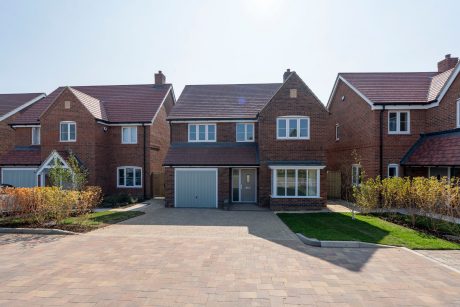
The shift in roles and responsibilities is largely driven by the extended requirements of the Future Homes Standard. Templated specifications based on previous projects are no longer sufficient - each scheme demands careful consideration to ensure it meets both current and future standards.
This long-term perspective is reshaping specification decisions, particularly around the building envelope and integrated technologies, and reinforcing the importance of material and system selection in reducing lifecycle risk.
Close collaboration between manufacturers, developers and the wider project team is essential. By working together earlier in the process, developers can stay informed about product innovation and adopt solutions that support sustainable, compliant construction.
Another key area of support is skills and training. Even before considering the well-documented skills shortages in construction, contractors need practical training to keep pace with new technologies and installation methods.
Investment in skills not only protects the future construction pipeline, but also reduces on-site errors, safeguards compliance and helps avoid costly remedial work.
At wienerberger, we support this through initiatives such as in-roof solar training for contractors installing our Sandtoft system. This includes guidance on the benefits of integrated solar and how regulatory changes, including Part L, are influencing housebuilding.
Ultimately, homes built under the Future Homes Standard will deliver lower energy bills, improved comfort and healthier living environments. By prioritising both fabric performance and low carbon technologies from the outset, they offer long-term value for developers and homeowners alike.
With Future Homes Standard requirements fast approaching, compliance should be seen as a catalyst for innovation rather than a box-ticking exercise. Manufacturers have an increasingly important role to play in making that possible.


.jpg)