
Published 28/05/26

Published 28/05/26
By Maisie Mckenzie, Biodiversity Manager at wienerberger UK & Ireland
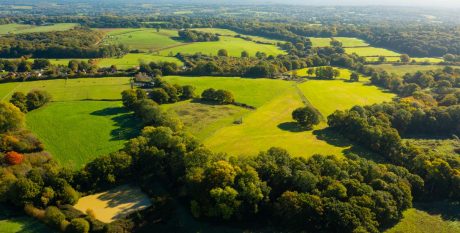
The phrase “green desert” sounds like a contradiction. Yet it’s becoming increasingly relevant as we rethink how land is used, not just in cities, but across the UK countryside.
A green desert describes a landscape that appears lush and green on the surface but offers little real value for wildlife. These spaces lack the diversity of habitats, food sources and shelter needed to support healthy ecosystems. And while they are often associated with rural areas, their implications are just as important for those shaping the built environment.
The UK’s biodiversity picture is stark. We are recognised as having some of the lowest biodiversity levels in Europe, with only 50.3% of our biodiversity remaining. Since 1970, species across the UK have declined on average by 19%, with nearly one in six species threatened with extinction.
Much of this decline has taken place in the countryside. Intensive land use, particularly monoculture farming, has reduced habitat variety and removed features such as hedgerows, ponds and wildflower meadows. The result is land that looks productive or visually neat but lacks the ecological resilience nature depends on.
Farmland birds offer a clear example. The breeding farmland bird indicator has declined by 61% since 1970, largely due to a lack of food and nesting habitats. These trends highlight how easily green landscapes can become ecological deserts.
At the same time as biodiversity has declined in rural areas, many species have adapted to urban life. Cities, once viewed as hostile environments for wildlife, are increasingly acting as unexpected biodiversity hotspots.
The concentration of food sources, warmer microclimates and the creation of new green infrastructure have allowed certain species to thrive. Birds such as swifts, which rely on healthy invertebrate populations, have become indicators of how urban environments can support biodiversity when designed thoughtfully.
Importantly, this shift has changed how biodiversity is viewed in development. Protecting nature is no longer seen solely as an environmental issue, but to support human wellbeing, create resilient communities and improve quality of life. Water features, green corridors and accessible green spaces can all play a role — when biodiversity is considered from the outset.
Reversing biodiversity loss requires action across both rural and urban landscapes. In the countryside, rewilding and habitat restoration, such as reforestation and wetland creation, are helping to rebuild ecosystems while working alongside food production. Government initiatives like Environmental Land Management schemes are also encouraging landowners to adopt more biodiversity‑friendly practices.
For the construction industry, the challenge and opportunity lie in ensuring developments do more than look green. This means designing buildings and spaces that actively support wildlife, rather than unintentionally creating new green deserts.


One practical way to increase biodiversity value in both urban and rural developments is through integrated habitat design. Products such as built‑in bird, bat and insect habitats can be incorporated directly into walls and roofs, providing durable, discreet shelter that supports local species over the long term.
When biodiversity is addressed early — at concept and specification stage — it becomes part of the building’s function, not an afterthought. This approach supports planning requirements, complements architectural intent and helps developments contribute positively to local ecosystems.
As expectations around biodiversity continue to rise, confidence and competence across the industry are critical. Understanding species requirements, planning policy and practical installation principles is key to avoiding unintended green deserts and delivering real ecological value.
To support this, we offer a Designing Biodiversity into Buildings CPD, aimed at architects, specifiers and ecologists looking to integrate biodiversity into modern building design through practical, specification‑led approaches.
The CPD covers:
Sign up for the next CPD on Monday 20th July here:
As this piece brings our Biodiversity Action Month blog series to a close, one message stands out clearly: avoiding green deserts requires more than good intentions. It requires informed decisions, early collaboration and a shared understanding of how buildings and landscapes can actively support wildlife. Turning awareness into action is the next step for our industry


