My Hidden Disability: A Daily Struggle
I am currently registered disabled. If you looked at me, would you know that? Probably not. My disability is hidden, but it’s very real. I live with pain every day. Sometimes it’s mild, sometimes debilitating to the point where it limits my mobility and I need walking aids or, at worst, I’m bed-bound when it flares up. I manage my condition with a team of medical experts, along with the invaluable support of my family, friends and colleagues.
What makes my disability particularly challenging is how it affects my work life. Every day presents a new battle, and there are times when it feels overwhelming. However, I’ve been fortunate enough to work with colleagues who see my value. They’ve gone out of their way to ensure I’m not disadvantaged in contributing to the business. This effort is what inclusion truly looks like — levelling the playing field, so I can deliver results despite my personal challenges.
The Positive Impact of Inclusive Behaviours
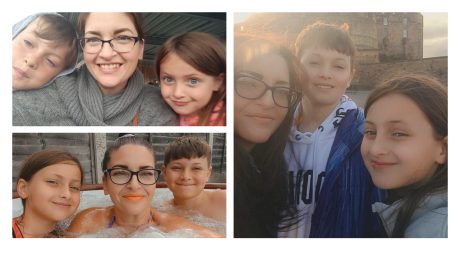
Being a sole parent, my ability to work and provide for my children is incredibly important to me. It's not just about financial stability but also setting a strong example for my children. They see that, despite my condition, I contribute to society and pursue a career I’m passionate about, but it’s not easy. Pain can be both mentally and physically draining. It sometimes creates barriers to doing things I wish I could accomplish.
This is why inclusive practices at work make such a difference. When the organisation makes accommodations or provides alternative ways for me to fulfil my role, it sends a message: "You matter. Your contributions are valuable." Their willingness to invest in me by making adjustments ensures that my disability doesn’t hold me back. It’s a reminder that I’m not defined by my limitations, but rather by the impact I can have when given the right support.
The Pain of Exclusion
I’ve had my fair share of negative experiences too. In previous roles, I’ve often been unable to join in on activities or events. Watching from the side-lines while everyone else participates is demoralising. It reinforces negative feelings about myself and my disability, leaving me feeling excluded.
One particularly harsh experience sticks with me. A former manager once told me, "We’ve all got something going on, suck it up and get on with the job." Hearing those words crushed me. The impact on my mental and physical health was immediate and severe. I fell into a cycle of self-loathing, feeling inadequate and angry. I withdrew from friends and family, convinced that I was a burden, while at other times I pushed myself too hard, trying to prove that I was just as capable as anyone else, but all it did was fuel the problem.
Battling Misunderstanding and Judgment
Because I don’t always walk with aids or show visible signs of disability, people often don’t believe me. I’ve been accused of exaggerating my condition for sympathy, or even faking it entirely. This disbelief is exhausting, and as a result, I wear a ‘mask’ at work, trying to appear as normal as possible. Maintaining this façade is draining, and it creates a distance between who I am and how people perceive me.
This mask makes it hard for people to truly understand what I’m going through. They don’t see the real me that struggles behind closed doors. This disconnect is one of the hardest parts of living with a hidden disability. People think they know you, but in reality, they only see a version of you that’s been edited to fit their expectations.
A Message for Those Who May Not Yet Understand
If there’s one thing that I wish more people understood, it’s this - not all disabilities are visible. You can’t always see what someone else is going through. This is why treating everyone with dignity and respect is so crucial. We never truly know the battles others are fighting, and assuming the best in others can make a world of difference.
Even when disabilities are visible, it’s important to remember that having a disability doesn’t make someone incapable. It doesn’t mean their contributions are any less valid or valuable. It’s about seeing the person, not the limitations. Acknowledge the differences, yes, but don’t let them define what someone can or cannot do.
Advice for Being More Inclusive
For anyone who wants to be more inclusive or become more aware of their own biases, my advice is simple. Ask questions. Talk to us. Don’t pretend the issue doesn’t exist, because that only makes us feel more isolated. If you’re genuinely curious and want to understand, we’re more than willing to share our experiences. We can help you see things from a different perspective, and in turn, you’ll know how to better support someone with a hidden disability.
Inclusion is about recognising that everyone’s story is different, and everyone deserves to feel accepted and valued. When we make the effort to understand each other, truly understand each other, we create spaces where everyone can thrive, no matter their challenges.
Living with a hidden disability is hard, but with the right support and understanding, it doesn’t have to be limiting. We all have something unique to offer, and when we work together to embrace those differences, we create a stronger, more compassionate community for everyone.
Emma Richards
Head of HR UK&I