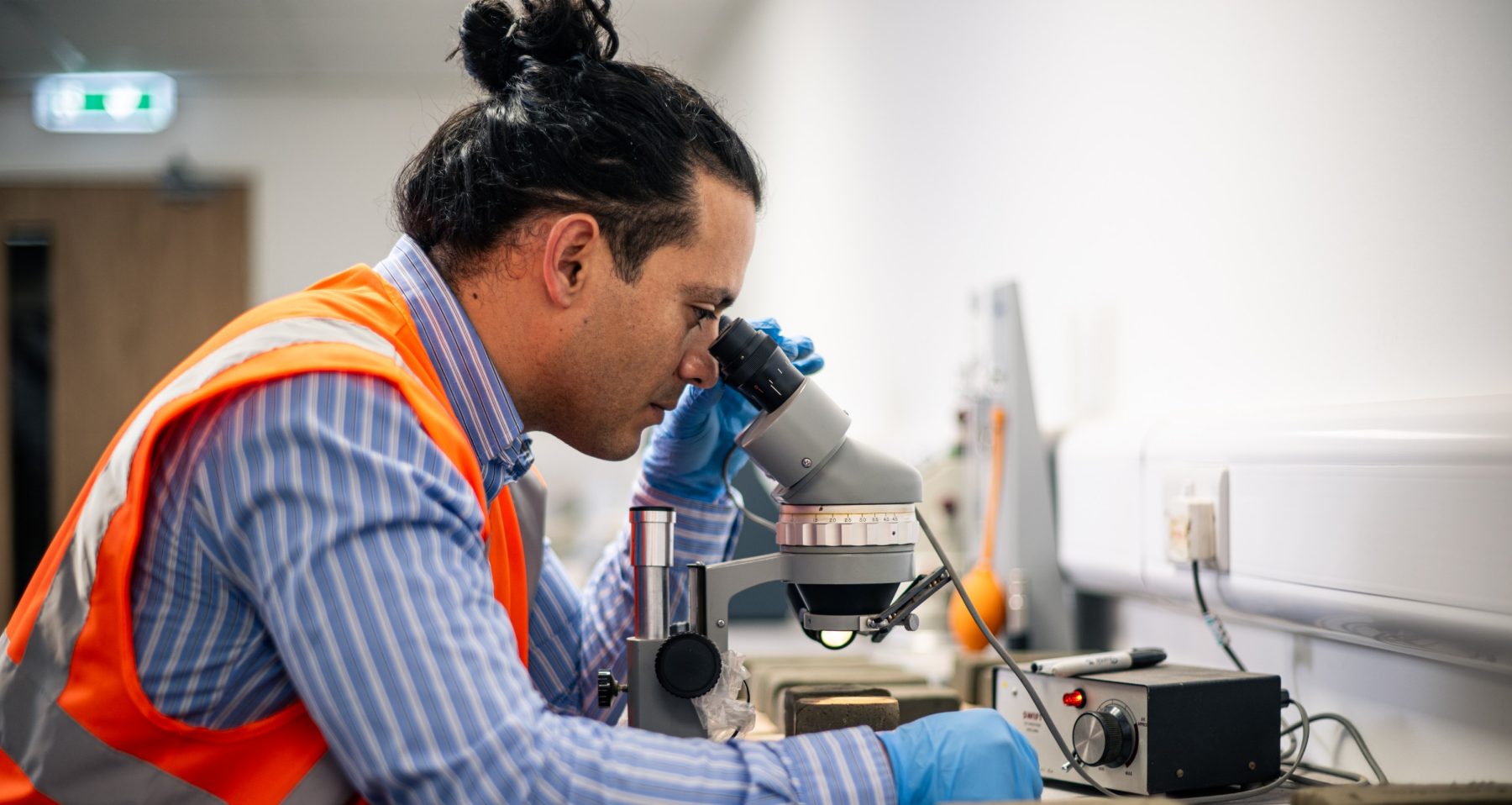
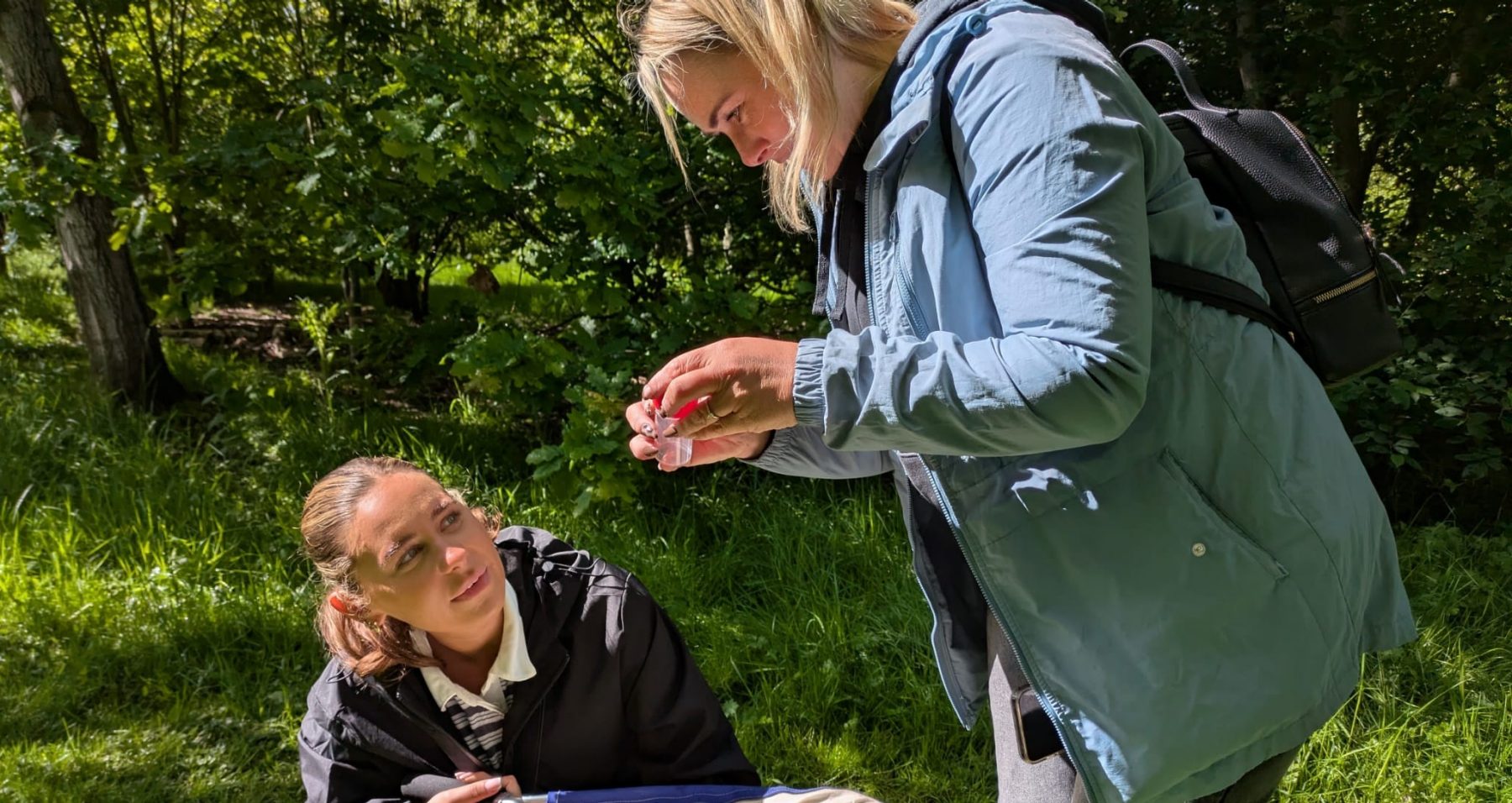
Sustainability team member surveying site

Environment

Our approach to environmental sustainability reflects our role in tackling the interconnected global crises of climate change, biodiversity loss and resource scarcity. This informs how we design and manufacture our products, and how we work with our partners. 

We focus on the areas where we can have the greatest impact: decarbonisation, resource conservation and biodiversity promotion. 
Decarbonisation

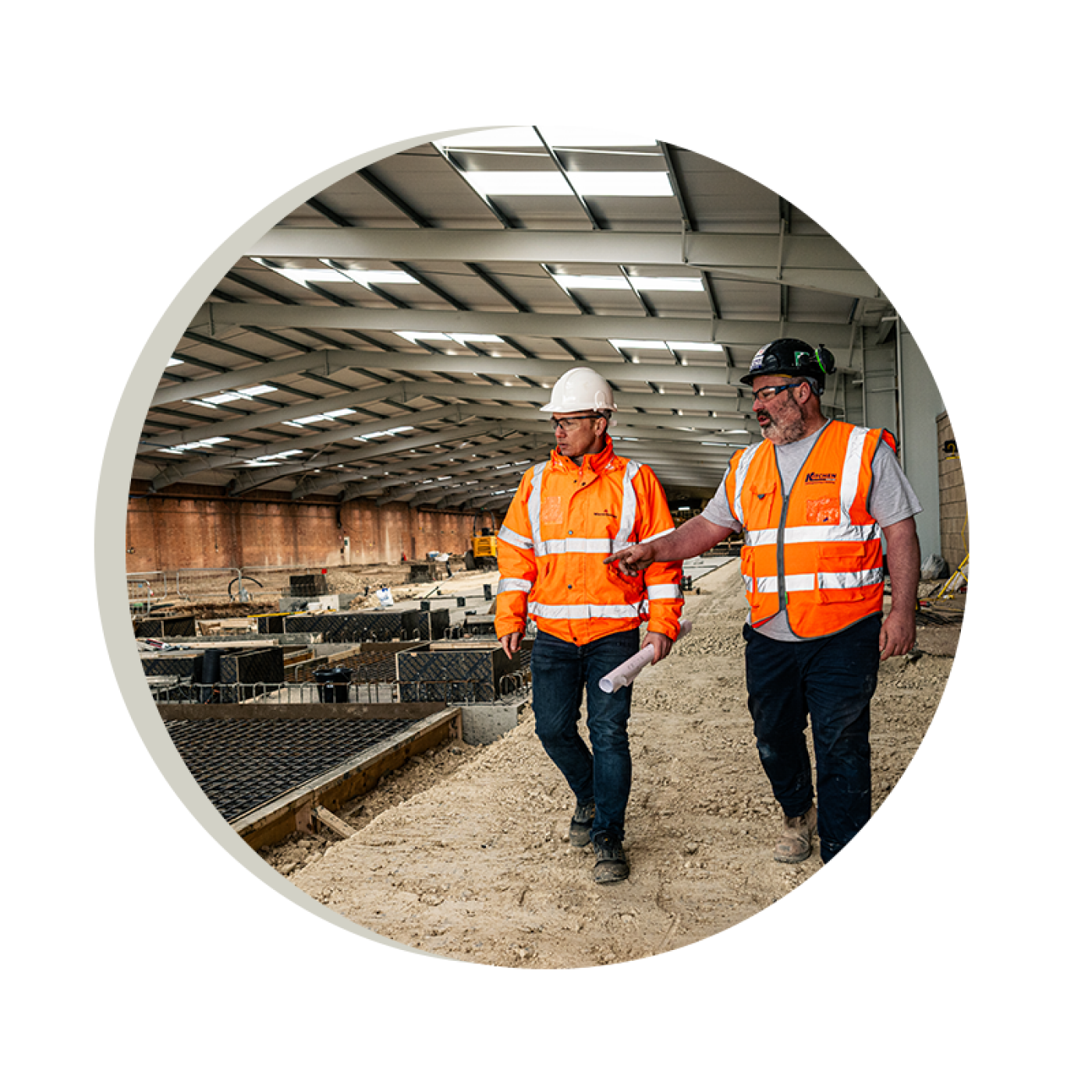
To achieve net-zero emissions by 2050, we focus on four areas:

  • Fuel switching – moving away from traditional fossil-fuel based energy sources, to renewable energy sources. 

  • Optimising raw materials – reducing the carbon intensity of the materials that we use to manufacture building products.  

  • Developing new products and services – adding low-carbon impact products to our portfolio, and supplementing these with services to support others reduce their carbon emissions and/or adapt to climate change. 

  • Pursuing energy efficiency – searching for opportunities to reduce our energy consumption per manufacturing unit. 

Why is this important?

Greenhouse gas emissions from human activities are the primary driver of climate change. As a key supplier of building products and solutions, we play an essential role in supporting the transition to a net-zero emission, nature-positive built environment.

Our ambition for 2030

We will have set a science-based target and transitioned at least one ceramic production line to run on renewable energy, as a key milestone towards achieving net-zero emissions before 2050.

Making this happen

  • We have verified our Scope 1, 2 and 3 emissions to establish our baseline.
  • We have published a Climate Transition Plan to reach net-zero emissions by 2050, supported by Carbon Reduction Plans for wienerberger’s UK & Ireland region.
  • We continue to implement our decarbonisation roadmap actions, including fuel switching, new product and service development, raw material optimisation, and trialling production technologies which reduce energy consumption.


Resource conservation

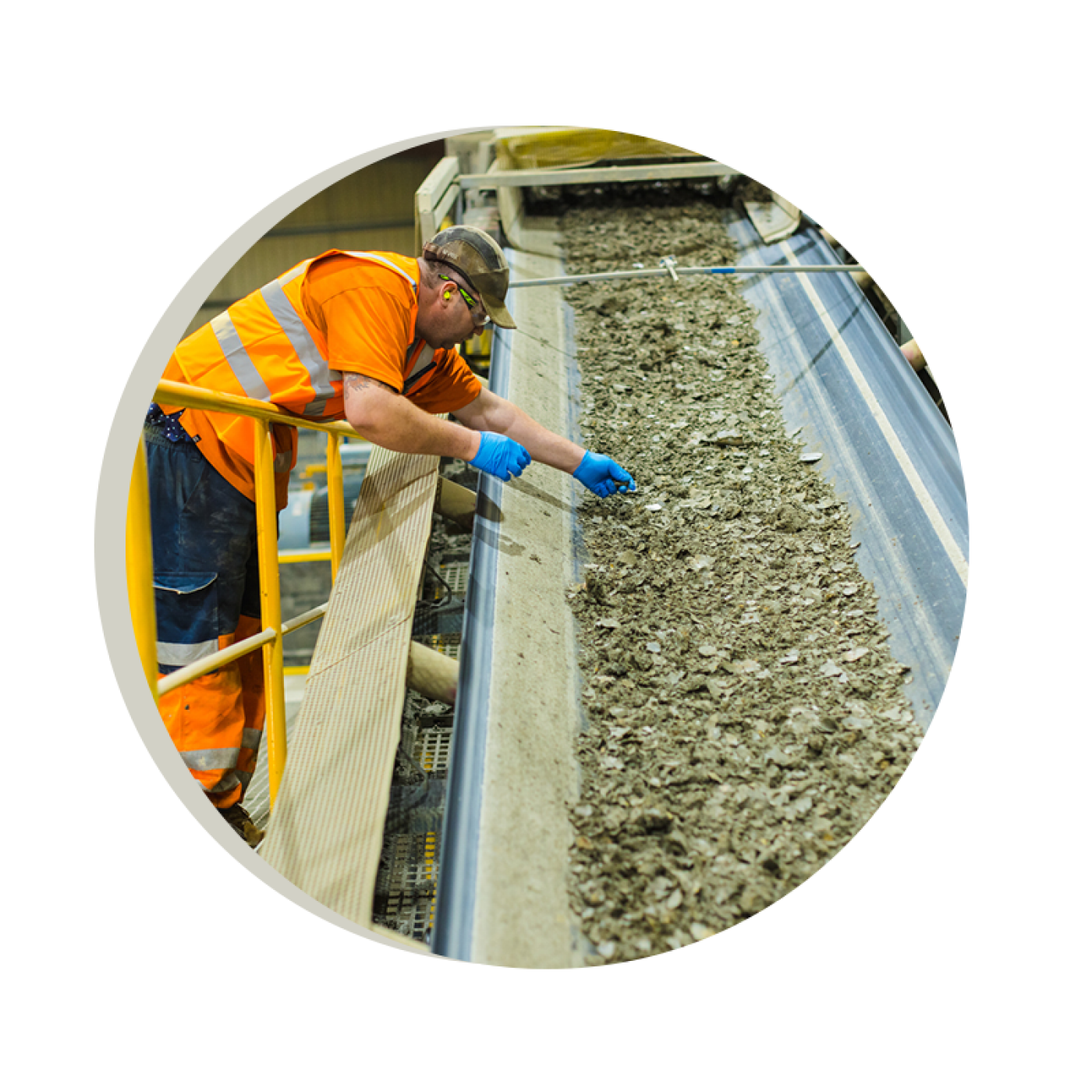
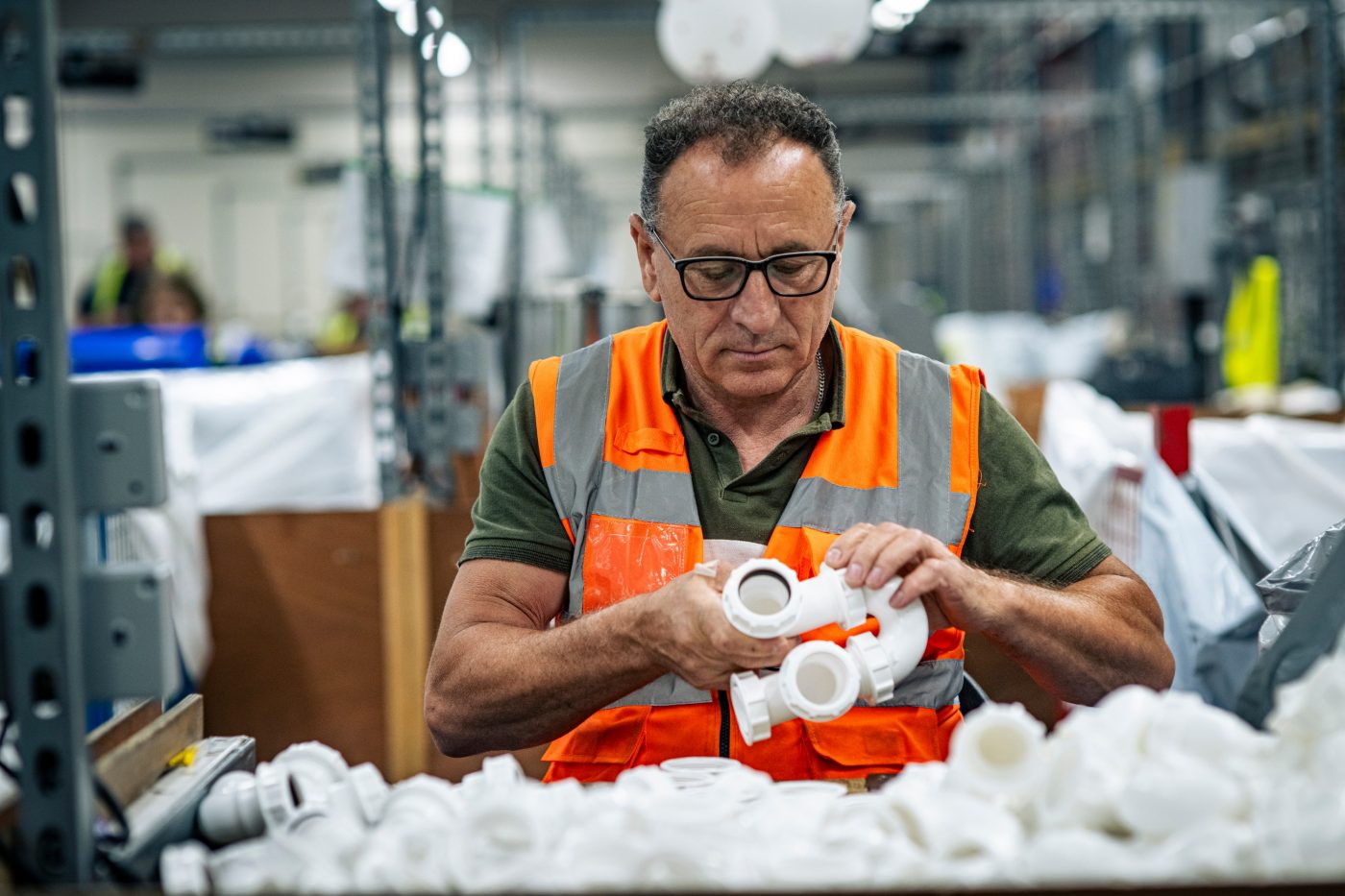
Our approach to resource conservation goes beyond efficient use of materials. We are working towards adopting circular business practices, where waste is designed out and resources are kept in use for as long as possible.

Our efforts to conserve resources span raw material selection, water efficiency, waste prevention, product design and packaging, with a commitment to continuous improvement. 

Why is this important?

A circular economy supports long-term resource security and reduces environmental impact, helping to conserve natural resources for future generations.

Our ambition for 2030

We will demonstrate we have reduced our demand for virgin natural resources.

Making this happen

  • We have reduced raw material consumption in our brick range by altering the perforation design.
  • We have consistently achieved +90% waste diversion from landfill. We continue to focus on waste prevention and diverting waste from both landfill and incineration.
  • We will explore alternative business models and services to further reduce resource consumption.


Biodiversity promotion

Our operations rely on and impact upon nature. By minimising our impact and actively promoting biodiversity, we can help halt and reverse biodiversity loss. 

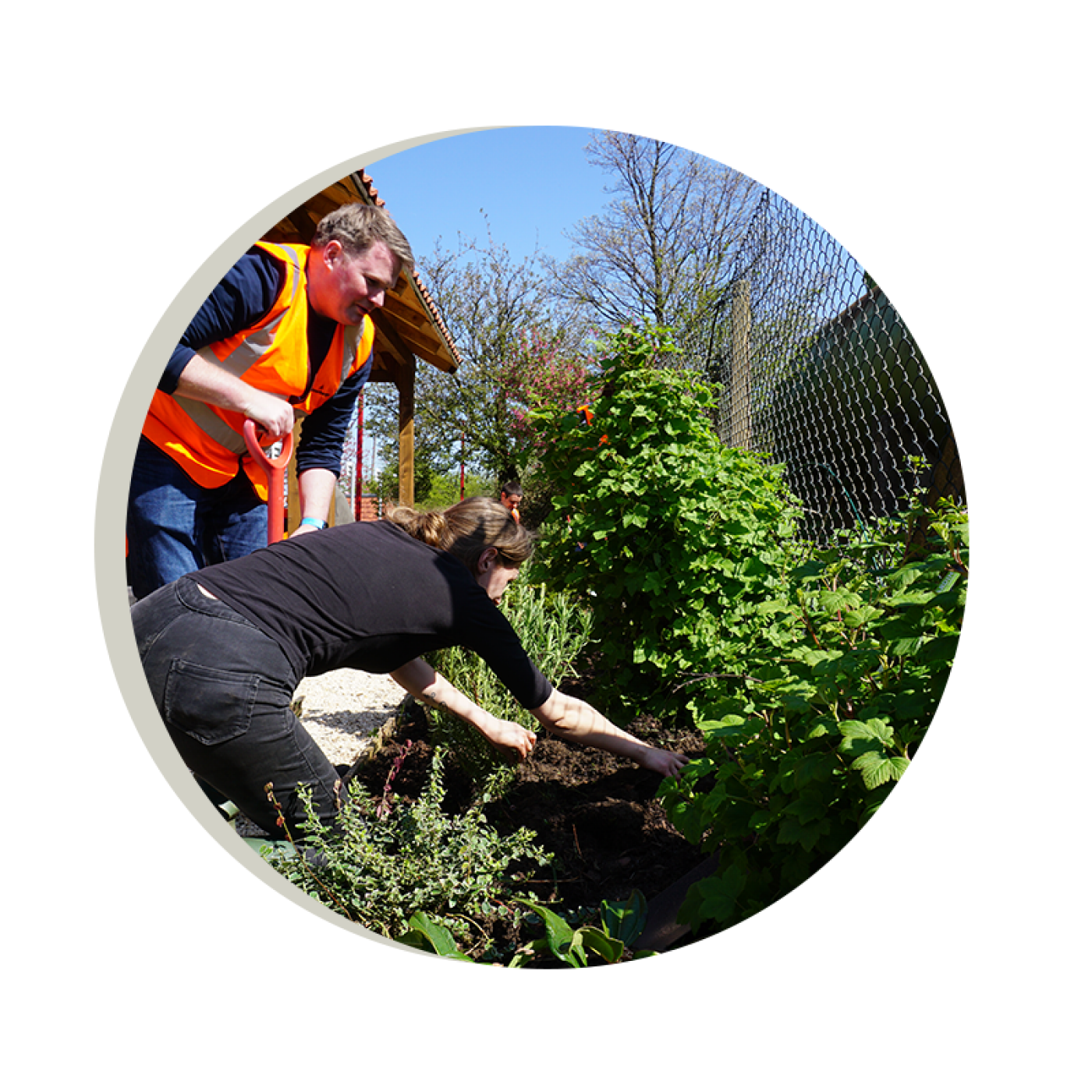
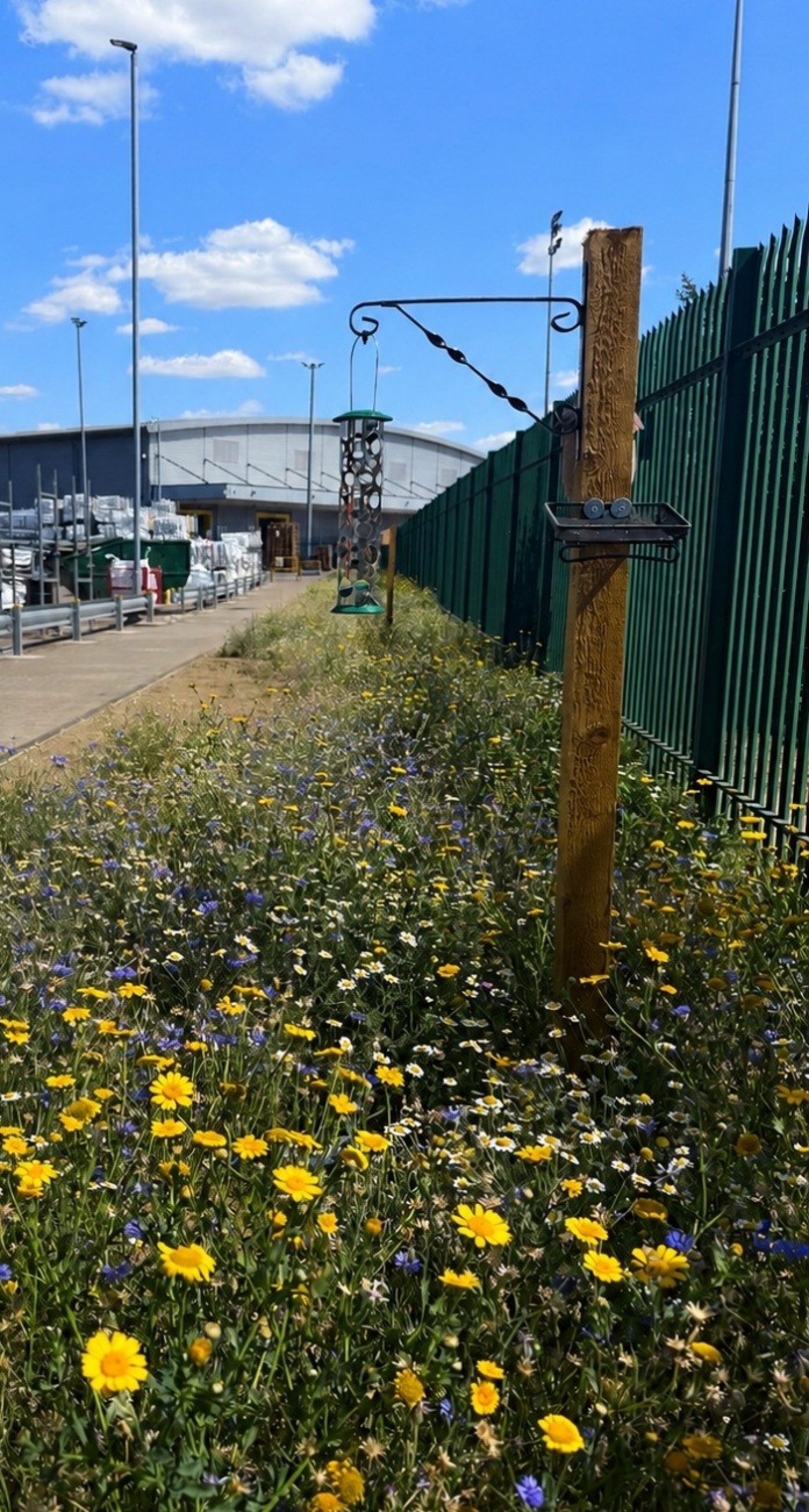
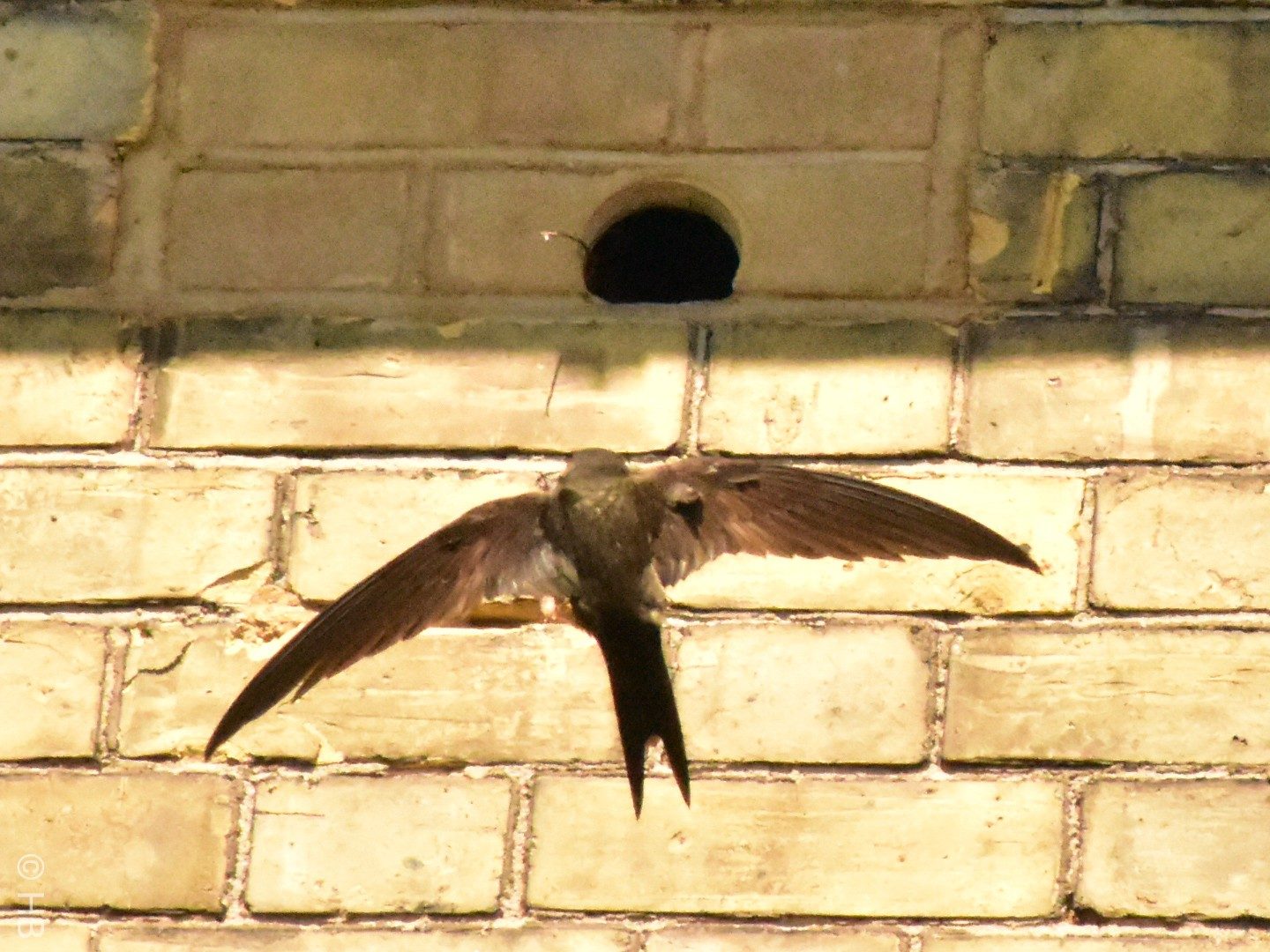
We are adopting a nature-positive approach: enhancing habitats across our land, considering the biodiversity impacts in our supply chains, enhancing the wellbeing of our people via access to green spaces at work, building partnerships and sharing data, and providing construction products that support birds, insects and bats to thrive within our built environment. 

Explore the core themes of our biodiversity strategy below:

WB Biodiversity Website Image

Why is this important?

Biodiversity underpins essential ecosystem services which provide everything we need to survive, from clean water and food to medicine and shelter. Without collective action to halt and reverse biodiversity loss, global supply chains will become more volatile, and reduced access to nature will negatively affect people’s health and wellbeing. It is in our interest, both as a company and as individuals, to promote biodiversity.

Our ambition for 2030

We will use the Biodiversity Net Gain metric to demonstrate a minimum 10% Biodiversity Net Gain is achieved or in progress, when averaged across our land assets, compared to a 2022 baseline.

Making this happen

  • We have assessed Ecological Value Scores for our manufacturing sites. This captured both the ecological value of the site and the surrounding area, and the results informed our Biodiversity Enhancement Management Plan for each site.
  • We have created a Biodiversity Enhancement Management Plan for every wienerberger manufacturing site. These plans detail all the actions we will take to achieve an average 10% Biodiversity Net Gain alongside other vital ecological information.
  • We have digitised our ecological records and our Biodiversity Enhancement Management Plans, making them easy for our people to access and use for decision making.
  • We continue to maintain accurate land cover and habitat data for all our land assets, which enables us to monitor habitat condition and demonstrate Biodiversity Net Gain.
  • We will maintain a network of Biodiversity Ambassadors are key activators for their teams, engaging other employees and conducting simple ecology surveys.
  • We will use Local Nature Recovery Strategies (LNRS) to inform future habitat creation and enhancement. This empowers us to make the right interventions in the right places and enhance connectivity with other biodiverse sites.


Downloads

Search now to download product information, technical guides, brochures and more

Contact

Got a question? Send us a message and we'll be in touch to help.

Stockists