
Published 26/03/2026

Published 26/03/2026
The Government’s confirmation of the Future Homes Standard marks one of the most significant shifts in modern UK housebuilding. The intention is clear: new homes should be warm, healthy, energy‑efficient and “zero‑carbon ready,” with low‑carbon heating and high fabric performance built in from day one. The emphasis on improved energy efficiency and on‑site renewable electricity aligns with the direction long signalled by policymakers and warmly welcomed by organisations across the sector.
For the construction industry, this moment represents both clarity and challenge. Clarity, because we now have a confirmed direction of travel; challenge, because adapting to new requirements will demand changes in design, specification, skills and delivery. But at wienerberger, we believe this is not just a regulatory milestone – it’s an opportunity to build better.
As a business already centred on innovation, decarbonisation and building for what’s next, we have been preparing for these shifts for many years. Our role now is to support our customers – from regional housebuilders to national developers, social landlords, architects, merchants and contractors – with practical guidance, high‑performance solutions and the certainty needed to plan with confidence.
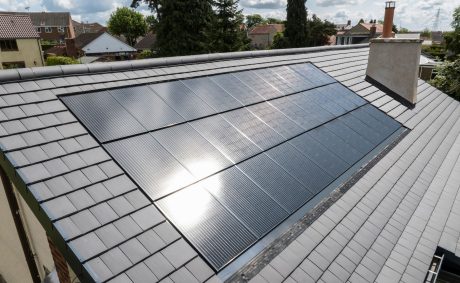
The Future Homes Standard sets out how new homes in England will be built to deliver significantly lower carbon emissions, reduced heat loss and better overall performance. The Government has been clear that most new homes will be required to move to low‑carbon heating systems, such as heat pumps, and must include improved insulation, airtightness and ventilation, along with on‑site renewable electricity generation, commonly solar PV.
At its core, the Standard aims to ensure that every new dwelling built from the implementation date is “zero‑carbon ready,” meaning it shouldn’t need a retrofit later to achieve very low operational emissions once the UK electricity grid continues to decarbonise. This is reinforced by the Future Homes Standard Impact Assessment, which notes that setting strong performance levels at construction avoids the need for costly retrofits down the line.

The Future Homes Standard represents both a challenge and an inflection point for the housebuilding sector.
For regional and national housebuilders, the shift to low‑carbon heating and higher fabric performance means revisiting established house types, rethinking build sequencing and embedding new technical requirements across multiple sites. It brings cost pressures, but also strengthens long‑term asset value, and the Impact Assessment notes the role of stronger standards in developing stable low‑carbon supply chains.
For social housing developers, the value of higher‑performing homes is clear. Better fabric and more efficient systems not only reduce the risk of damp, mould and cold, improving comfort for residents, but also help stabilise energy use in an unpredictable market. Just as importantly, getting performance right at the build stage can ease long‑term maintenance pressures and reduce the need for costly future interventions — strengthening the quality and resilience of housing assets for years to come.
For architects and specifiers, the Standard reinforces the importance of fabric-first design, robust detailing and performance led outcomes. Airtightness, ventilation and thermal continuity are no longer supplementary considerations – they sit at the heart of compliance. This will require more collaboration between designers, engineers and manufacturers, alongside a greater emphasis on clear, deliverable design information.
For merchants and contractors, the Standard signals a transition in demand. Contractors will need to understand new installation methods, new airtightness expectations and the integration of technologies such as heat pumps and decentralised ventilation. Merchants will see rising demand for FHS‑aligned systems, training materials and reliable technical support.
For manufacturers, the opportunity is clear: to drive innovation, support the supply chain, and help bridge the gap between regulatory ambition and practical delivery. Those able to offer system-based solutions, robust guidance and dependable supply will be central to industry success.
Above all, the Future Homes Standard sets a new baseline – one focused on quality, performance and long‑term outcomes for homeowners and communities.
At wienerberger, we welcome the clarity and ambition set out in the Future Homes Standard. We believe this direction is both necessary and overdue. The need to create homes that are energy‑efficient, resilient and comfortable has never been greater, and the Standard accelerates the industry’s collective progress. We see the Future Homes Standard as aligned with our long‑term purpose: helping the industry build homes that stand the test of time.
We believe that delivering the Future Homes Standard will require more than high‑quality products; it will demand clarity, collaboration and practical support across the supply chain. That’s why our commitment goes far beyond manufacturing. We’re focused on giving our customers the insight, confidence and guidance needed to make this transition successfully.
We do not have all the answers, but we are committed to being part of the solution, walking alongside our customers as the sector adapts to a new and more sustainable future.
The Future Homes Standard represents a major change for the UK construction sector – one that demands adjustment, collaboration and foresight. But it also marks a powerful opportunity to build homes that are warmer, healthier, more efficient and more resilient for generations to come.
At wienerberger, we believe this is a positive and essential step. We are committed to supporting our customers with the clarity, technical guidance and solutions needed to navigate this new chapter with confidence.
If you would like to discuss what the Future Homes Standard means for your business, or explore how our teams can support you, please get in touch with your usual wienerberger representative or contact us directly. We’re here to help you build for what’s next.


