
Published 06/03/26

Published 06/03/26
Earlier this year, wienerberger UK hosted a webinar in collaboration with Octopus Energy titled “Roofs That Pay for Themselves.”
The session explored how re-roofing projects can go beyond simple maintenance and instead become an opportunity to improve energy efficiency, reduce tenant energy bills, and generate returns for housing providers.
With social housing providers facing increasing pressure to improve EPC ratings and tackle fuel poverty, the webinar highlighted how integrating roofing upgrades, solar technology, and smart energy tariffs can deliver long-term benefits for both landlords and tenants.
Register below to gain instant access to watch the full webinar.
Traditionally, re-roofing has often been treated as a straightforward maintenance activity, removing the existing roof and replacing it with a new one.
However, wienerberger highlighted that roofs represent one of the most practical and cost-effective opportunities to improve a building’s energy performance, particularly when upgrades are combined with solar technology.
When roofing work is already taking place, the necessary scaffolding and installation processes are in place. This makes it an ideal time to integrate:
By taking this integrated approach, housing providers can futureproof their housing stock while improving EPC ratings, and lower energy bills for tenants.
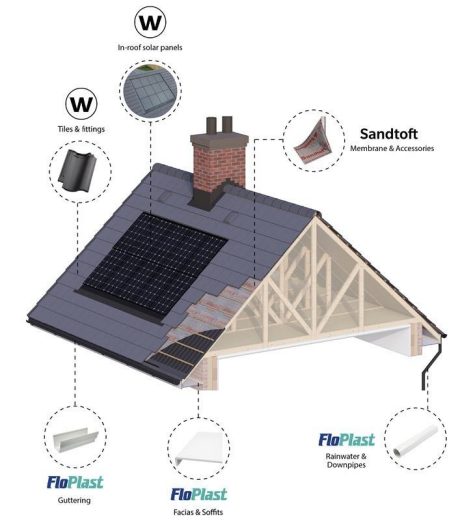
One of the core solutions discussed during the webinar was RoofSpec+, wienerberger’s end-to-end roofing solution, providing a fully specified system that ensures compliance with British Standards and good practice guidelines.
RoofSpec+ is a specification service designed for housebuilders and re-roofing schemes. RoofSpec+ delivers a complete solution with a 15-year Specification Performance Guarantee, giving you confidence that your roof will stand the test of time.
Key features include:
The aim is to simplify complex projects by ensuring all roofing elements, including tiles, ventilation, membranes, and solar integration, are coordinated through one manufacturer-backed specification.
This reduces risk for housing providers and ensures that any issues can be resolved through a single point of contact.
The webinar also introduced Renatus, wienerberger’s whole-house retrofit support solution.
With the UK government targeting EPC C for all social housing by 2030, many housing providers face significant challenges around planning, design, and implementation.
Renatus was developed to simplify this process through a structured five-stage retrofit approach:
1. Monitoring and Assessment
Sensor technology and on-site surveys are used to assess building performance and identify improvement opportunities.
2. Design and Specification
wienerberger’s in-house architectural team develops tailored retrofit strategies to meet EPC targets.
3. Supply
Products across wall, roof, heating, and water systems are supplied through standard procurement routes.
4. Inspection
Quality checks and inspections ensure the installation meets the required standards.
5. Certification and Guarantee
Once installed, properties are assessed and certified to confirm the EPC improvements.
This approach helps social housing providers manage complex retrofit programmes with greater confidence, compliance, and technical support.
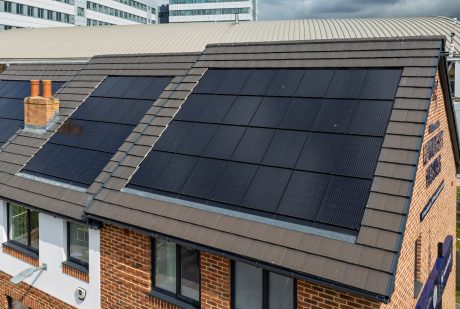
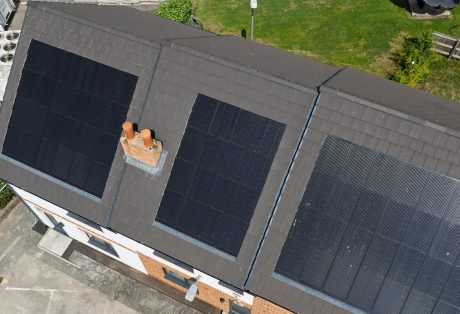
The system works by using Octopus Energy’s Kraken software platform, which optimises how energy is stored and used.
The technology can:
This smart optimisation allows the system to generate revenue from energy flexibility, which contributes to the landlord’s return on investment.
The Tenant Power model is already being implemented by several housing providers.
For example, Together Housing in Yorkshire has piloted hundreds of installations and is now scaling the scheme across thousands of homes.
Across multiple partners, the programme is expected to expand to thousands of properties, helping landlords improve energy performance while reducing tenant energy bills.
While the solutions discussed offer significant benefits, there are a few practical considerations:
Despite these factors, the approach presents a compelling opportunity for housing providers looking to combine energy efficiency improvements with financial sustainability.
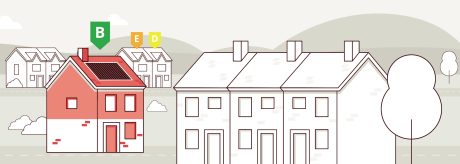
The central message of the webinar was clear:
Roofs should no longer be seen purely as a maintenance cost. With the right approach, they can become energy-generating assets that deliver long-term value.
By combining:
Housing providers can improve EPC ratings, support tenants through lower energy bills, and generate returns that fund further upgrades.
As social housing moves toward stricter energy efficiency targets, solutions like these will play a key role in delivering warmer, more efficient homes across the UK.
