Employee smiling towards the camera a tool room
© This image is Copyright Jonathan Oakes

Circular initiatives and waste prevention

By producing high quality, durable building materials we are keeping natural resources in circulation for longer. This helps our customers minimise maintenance costs and time, ultimately reducing waste sent to landfill and incineration. 

At our manufacturing sites, we seek to reuse materials within our processes, and to incorporate quality-assured recycled content into production when appropriate. We also seek supply chain partners that can help us to prevent waste arising, via take back and reuse schemes. 

This approach supports a shift away from the traditional “take–make–dispose” model and towards a more circular construction industry, aligned with our ambition to build for what’s next through innovation, responsible resource use, and long-term sustainability. 

Employee looking up at the tall racks storing products

Plastic polymer recycling and take back schemes at Pinxton

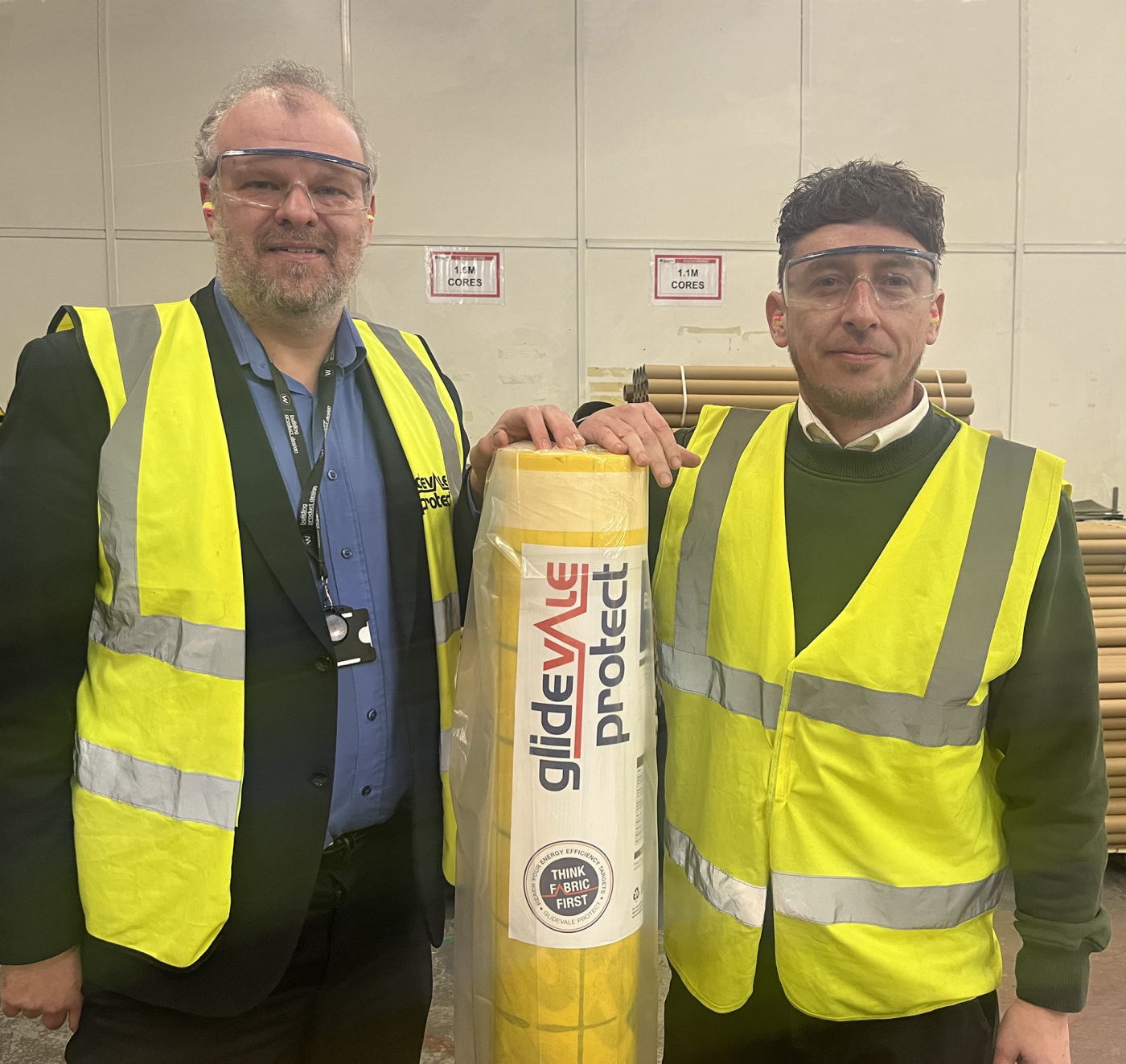
At Pinxton, plastic (ABS) offcuts from our roof tile ventilation production line are shredded and sent to a company based five miles from the factory. These ABS offcuts are compounded, moulded, and the recyclate is received back at Pinxton to use as a raw material input for our Glidevale Protect tile ventilation hoods.


Pinxton is also able to provide a take-back service for Glidevale Protect membrane roll cores and stabilising cradles where practical, allowing these materials to be reused in the factory production process.

Green Pallet LOOP stacked in a yard

Closing the loop on IBCs through reconditioning and recycling

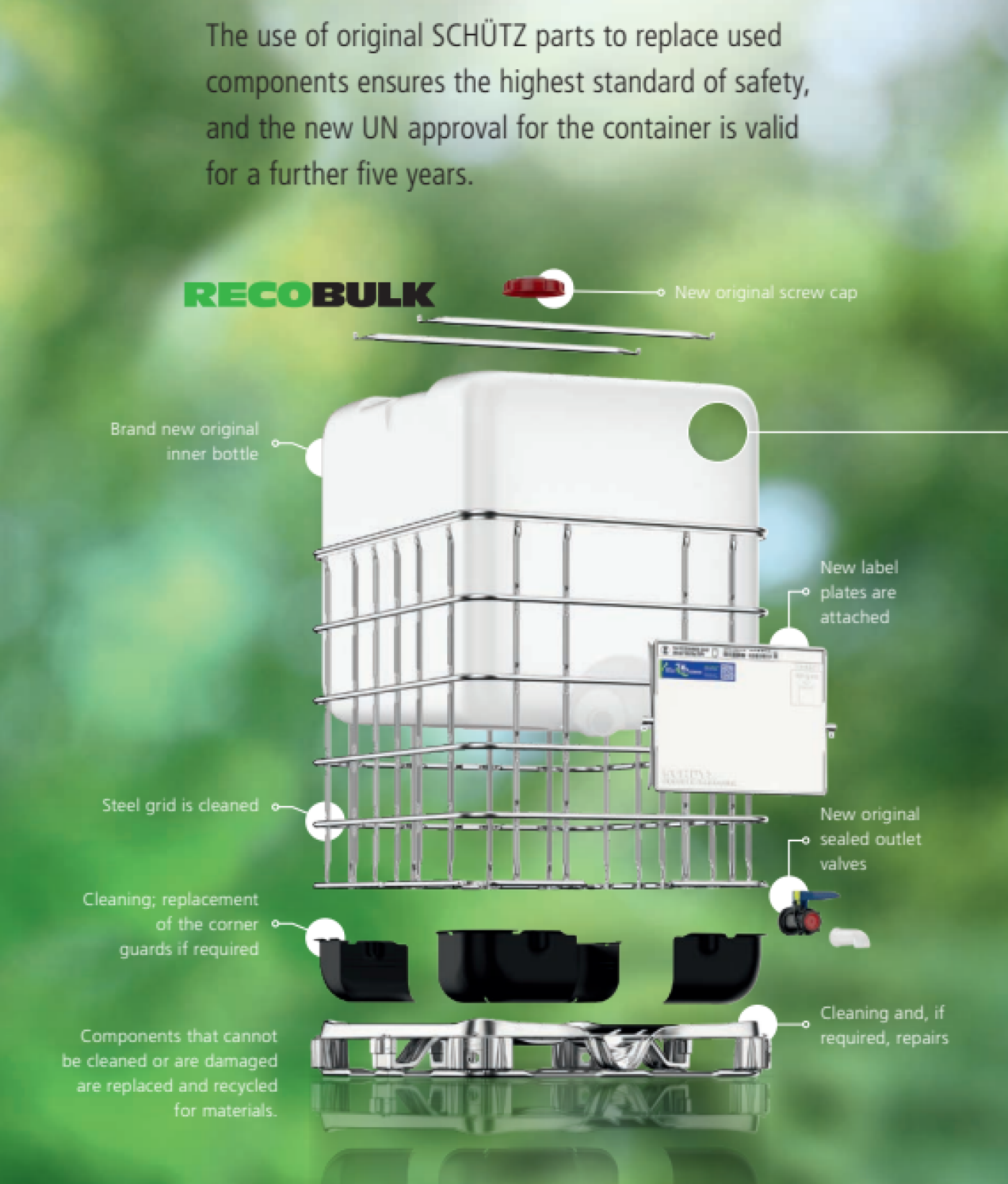
To conserve natural resources and prevent unnecessary waste, our concrete roof tile factories at Sandtoft and Goxhill joined the Schütz Ticket Service, a take-back and reconditioning scheme for Intermediate Bulk Containers (IBCs), which are used to deliver paint and additives.


What happens to returned IBCs

  • Empty IBCs are collected from our factories and returned to Schütz’s recycling facilities
  • Steel grids and pallets are cleaned and reconditioned
  • Components that come into contact with filling materials (such as inner bottles and caps) are replaced
  • Recovered inner bottles are shredded, washed in a closed-loop process, and processed into pure HDPE granulate
  • This material is reused in products such as pallets, corner protectors and other plastic components
  • The IBC is then reconditioned and returned for reuse

In 2021, our roof tile factories Sandtoft and Goxhill returned over 800 IBCs through the Schütz Ticket Service. Compared with producing new IBCs, this delivered the following savings:

  • 34 tonnes of steel
  • 13 tonnesof plastic
  • 81.3 tonnes of carbon emissions avoided

Conserving clay at our brickworks

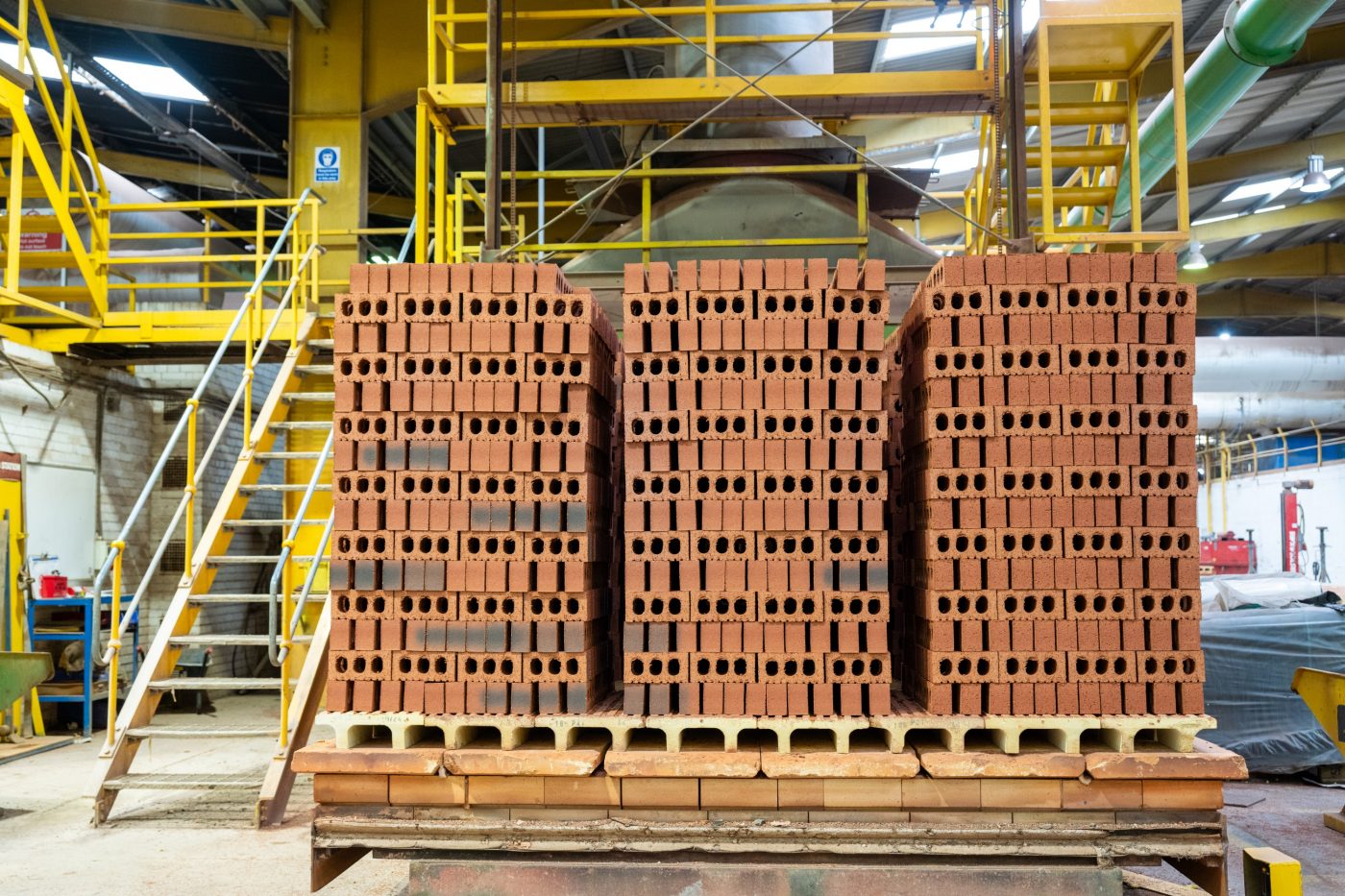
Our ceramic factories pursue zero clay waste in production by returning off-cuts from the shaping process and imperfect unfired products to the clay stockpile. This clay is then reused in future production runs.


Where fired ceramic products are deemed not to have met our high quality standards, these can be crushed and recycled either in the manufacturing process, or sold on as aggregate.


In addition, wienerberger has invested in research and development to increase make our products strong, light and efficient. That means that less clay and raw materials are required to create a high performing product.

two men on a construction site looking at plans and drawings

Reusable pallets with The Pallet LOOP

We have partnered with The Pallet LOOP, a circular pallet reuse scheme for the construction industry. In April 2025, green reusable LOOP pallets, loaded with our roof tiles, entered the building materials supply chain. 

How it works 

  • Nationwide collection: Customers can use a collection service as an alternative to traditional disposal methods, reducing waste skip costs 

  • Fast turnaround: Pallets (both green LOOP pallets and traditional “white” wooden) can be collected from building sites and merchants in as little as 72 hours 

  • Designed for reuse: Standardised pallets are built to be stronger for repeated use, supporting “recover, repair, reuse” instead of “deliver, distribute and discard” 

  • PayBack incentive: For every green LOOP pallet returned, registered return partners can receive up to £4 back. 


Why it matters 

This approach helps customers cut waste, reduce carbon emissions, and save money through a simpler take back and reuse model. It also supports our wider circular initiatives and strengthens our approach to reducing waste across the value chain. 

Transparency through Environmental Product Declarations 

We publish factory-level Environmental Product Declarations (EPDs) for UK-manufactured products across wall, roof, water and heating systems, providing clear and accessible environmental impact data.

EPDs are standardised and externally verified documents that report environmental impacts across the full lifecycle—from raw material extraction through to end-of-life.

What this means for customers

  • Improves accuracy of embodied carbon reporting

  • Improves Scope 3 (purchased goods) emissions data

  • Helps projects pursue green building certifications such as BREEAM and LEED (where applicable)

Supporting a circular economy in the built environment

By reducing waste, increasing recycled content, and designing products for a long lifespan and/or reuse, we are helping to create a more circular built environment, while supporting our customers’ sustainability goals.

Downloads

Search now to download product information, technical guides, brochures and more

Contact

Got a question? Send us a message and we'll be in touch to help.

Stockists