
Reducing the carbon intensity of the materials that we use to manufacture building products.

Reducing the carbon intensity of the materials that we use to manufacture building products.
Across our wall, roof, water and heating product range, we have experts in materials science, geology, engineering and product design working together to identify, test and scale the use of raw materials that can help us lower our carbon emissions.
We often work with partners, such as universities and start-ups to explore the potential of materials that our new to our business and sometimes new to our industry.
Could serve as replacements to relatively high carbon materials already in use,
Can be sourced closer to our manufacturing facilities,
This is because we know that optimising materials, be it the familiar or the experimental, can directly support our decarbonisation efforts and indirectly reduce carbon emissions from the built environment.

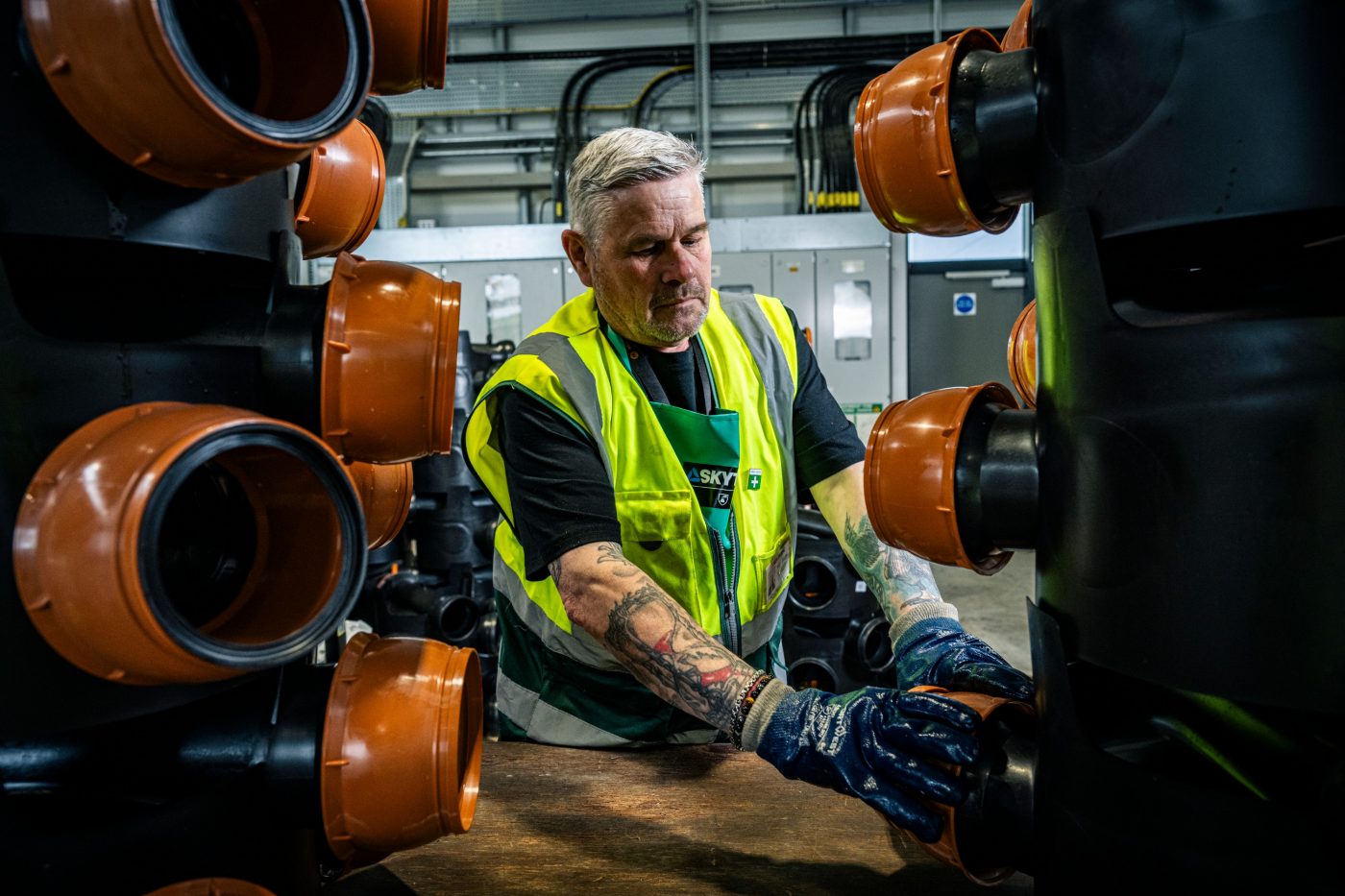
Our plastic pipe factory in Cork has already introduced recycled plastic into selected product ranges and continues to explore opportunities to increase recycled content where technical, regulatory and customer requirements allow.
Recycled material is used in our PVC sewer and drainage pipes, and selected HDPE products manufactured to specific customer requirements, such as ESB ducting systems. Advances in co-extrusion technology now allow the manufacture of three-layer gutters, where recycled material is incorporated into the core layer while virgin material is retained on the inner and outer surfaces. This approach allows us to increase the use of recycled content while maintaining the performance, durability and quality standards expected by our customers.
One of the key challenges in increasing recycled content is ensuring material consistency. Recycled plastics can exhibit greater variation in composition and properties than virgin materials, requiring enhanced quality controls to ensure that all dimensional, mechanical and performance characteristics consistently meet the relevant product standards and customer expectations.
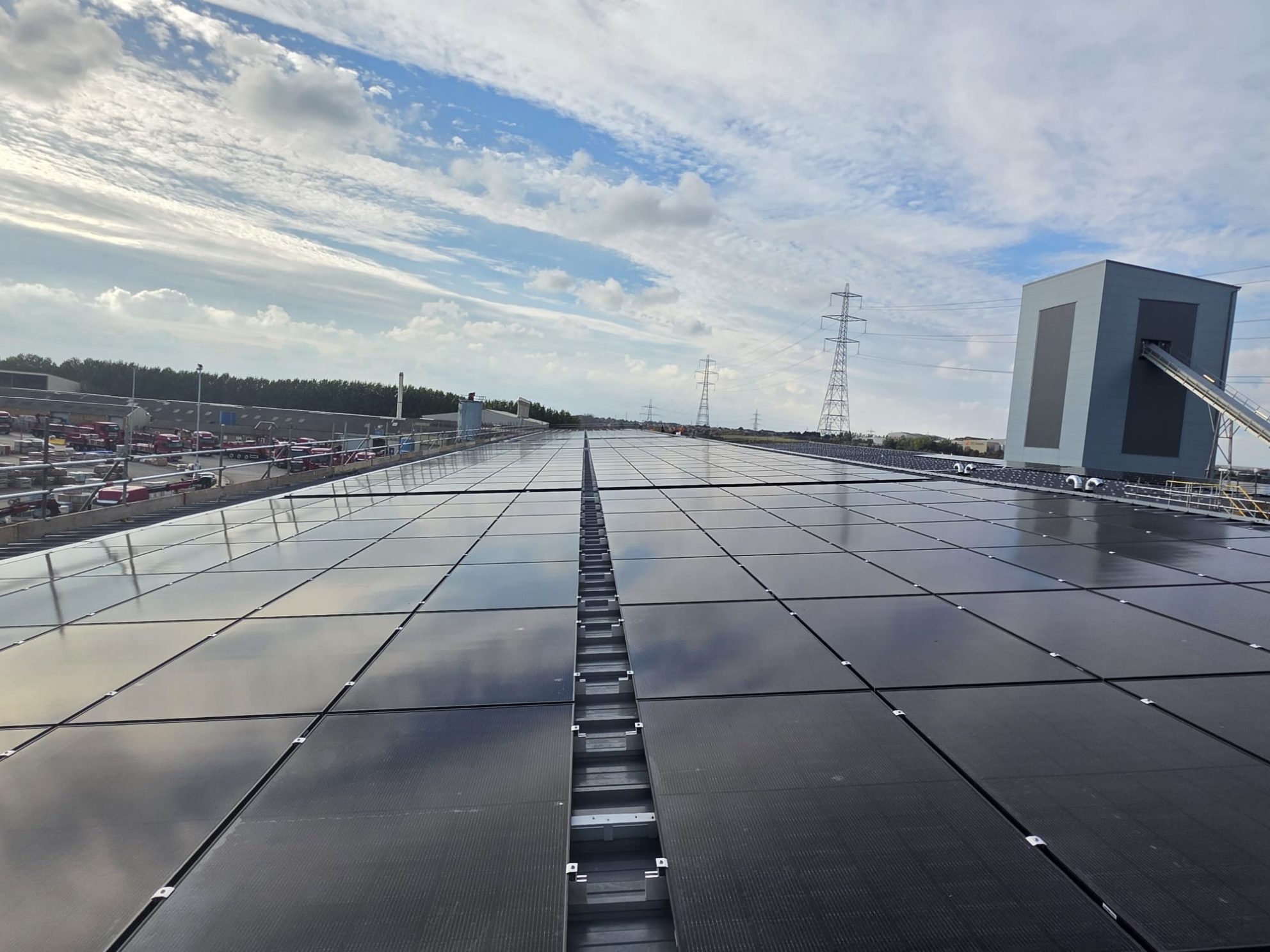
Our Smeed Dean concrete roof tile factory in Kent has adopted a cement (CEM II) which is produced in the UK and has a lower carbon content than our standard mix (CEM I) which is produced in both the UK and the EU. Lowering carbon emissions in our cement mixture (from both upfront embodied carbon and transport emissions) is the final component of the decarbonisation programme for our concrete roof tile sites, which has already seen us replace fossil fuels (such as diesel) with renewable electricity sources.
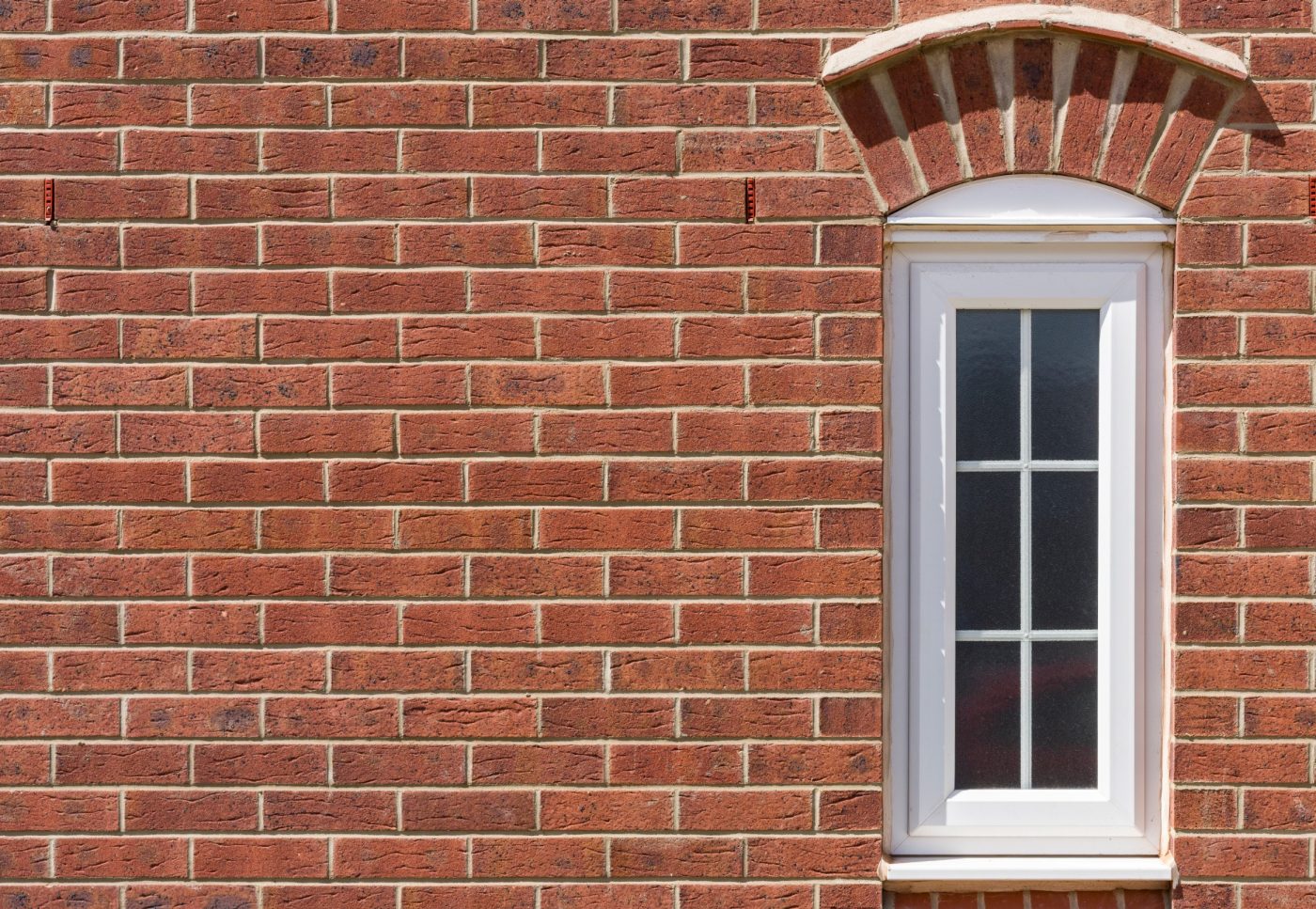
Barium has traditionally been used in brickmaking to prevent efflorescence, whereby moisture movement creates a powdery deposit of salts on the brick face. However, barium is an undesirable additive due to its higher carbon content. For many years, wienerberger has been phasing down the volume of barium purchased, replacing it with molasses instead, which can perform a similar function of preventing efflorescence. Molasses is a by-product of refining sugarcane or sugar beet into sugar and is preferable due to its lower carbon emissions.

“Recycled material” refers to recycled, alternative or secondary raw materials sourced externally to wienerberger, and introduced into our production processes. Recycled materials, which are often by-products from other industries, can help us reduce carbon emissions and conserve virgin natural resources.
When considering new recycled materials, we evaluate the impact on embodied carbon emissions and other supply chain aspects such as biodiversity and human rights implications.
New materials undergo rigorous testing prior to use, including product quality and performance tests conducted in the laboratory before the materials are incorporated into factory production. This ensures performance is maintained while supporting circular economy principles.
Optimising our raw materials, with lower carbon alternatives and/or recycled materials, can help to reduce the embodied carbon of our products. Where we include recycled materials, this can also improve BREEAM and LEED building evaluation scores. This can reduce the environmental impact of building projects without compromising product quality or consistency.
Where available, carbon emissions and recycled content data is detailed in our Environmental Product Declarations (EPDs). These externally verified declarations provide transparent insights into the lifecycle impacts of our products
