
Decarbonising manufacturing. Investing in what’s next.

Decarbonising manufacturing. Investing in what’s next.
We are transforming our manufacturing sites, moving away from traditional fossil-fuel based energy sources, towards renewable energy solutions.
Each factory has a tailored approach, depending on the product type and existing manufacturing technology. We also consider the local infrastructure, which renewable energy sources are available today and where might we need to build or form partnerships to bring renewable energy to our factories.
We already have exciting examples across our water, wall and roof manufacturing sites, with investments in hydrogen, electrification and on-site renewables. These investments enable us to reduce the embodied carbon of our products, while maintaining the quality, safety and performance our customers rely on.
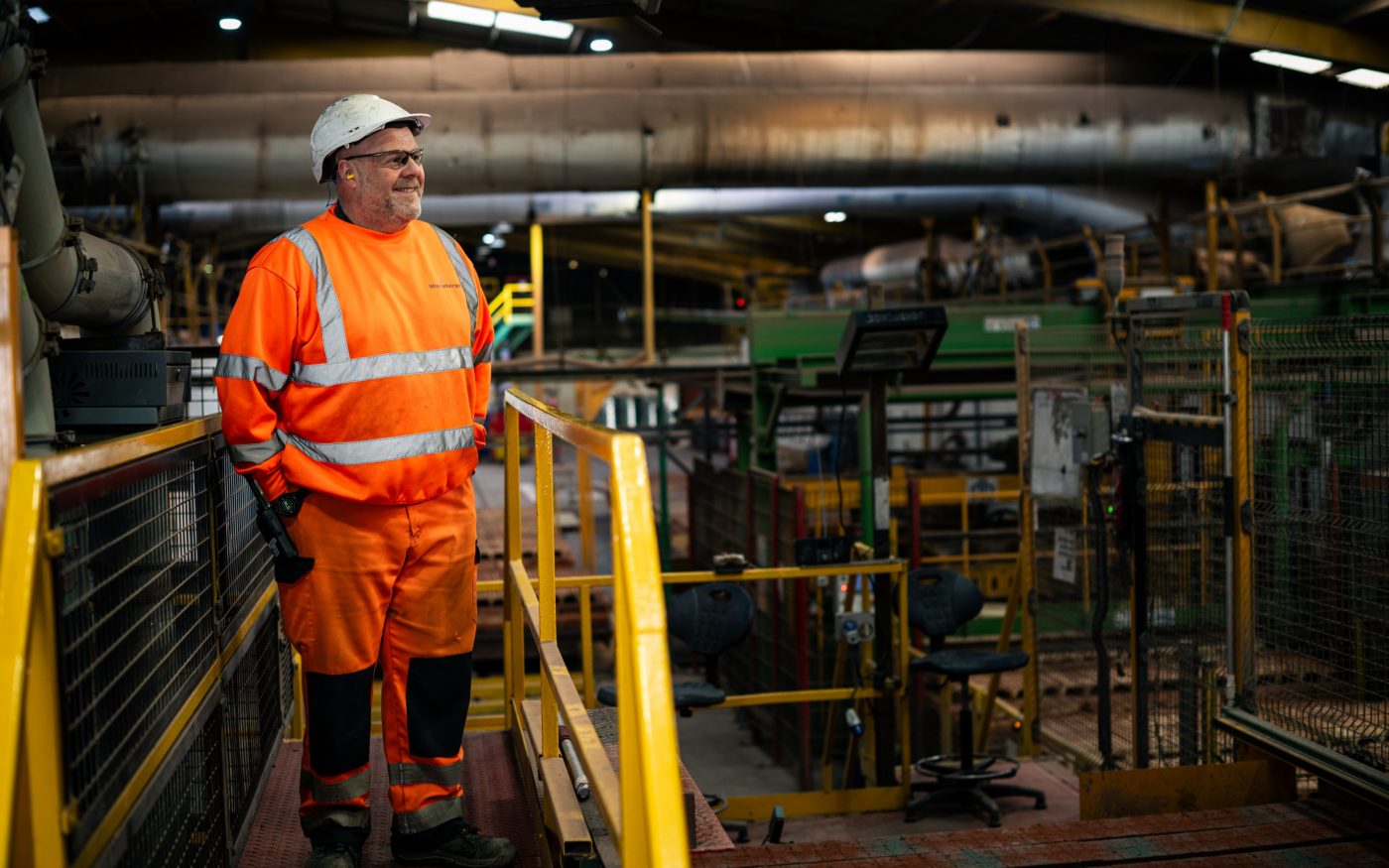
At our Denton brickworks in Greater Manchester, we are setting a new benchmark for the UK ceramics sector by converting existing kilns to run on 100% green hydrogen. Backed by the UK Government’s Industrial Energy Transformation Fund (IETF), this £6 million project involves retrofitting two tunnel kilns. It includes the replacement of 224 gas burners, alongside new hydrogen infrastructure and upgraded control systems, while preserving the kilns’ existing structure.
Hydrogen firing is widely recognised as a long‑term solution for high‑temperature industrial processes. Denton will act as a flagship project—helping to inform future decarbonisation pathways across the ceramics and wider manufacturing sectors.
Building on this approach, our Broomfleet site in East Yorkshire demonstrates how electrification can scale low‑carbon manufacturing. Here, we are constructing Factory e, a £30 million investment that will feature a fully electric tunnel kiln. The new factory line replaces traditional gas‑fired dryers and kiln with an electric firing system, supported in part by the UK Government’s Industrial Energy Transformation Fund (IETF).
The new electric kiln is expected to:
Factory e is being built within previously unused space, allowing the transition to electric firing without disrupting existing production. Alongside this, teams are being trained to safely operate and maintain the new electrified systems.
Together with our hydrogen investment at Denton, Broomfleet demonstrates a multi‑technology approach to decarbonising heavy clay ceramic manufacturing.
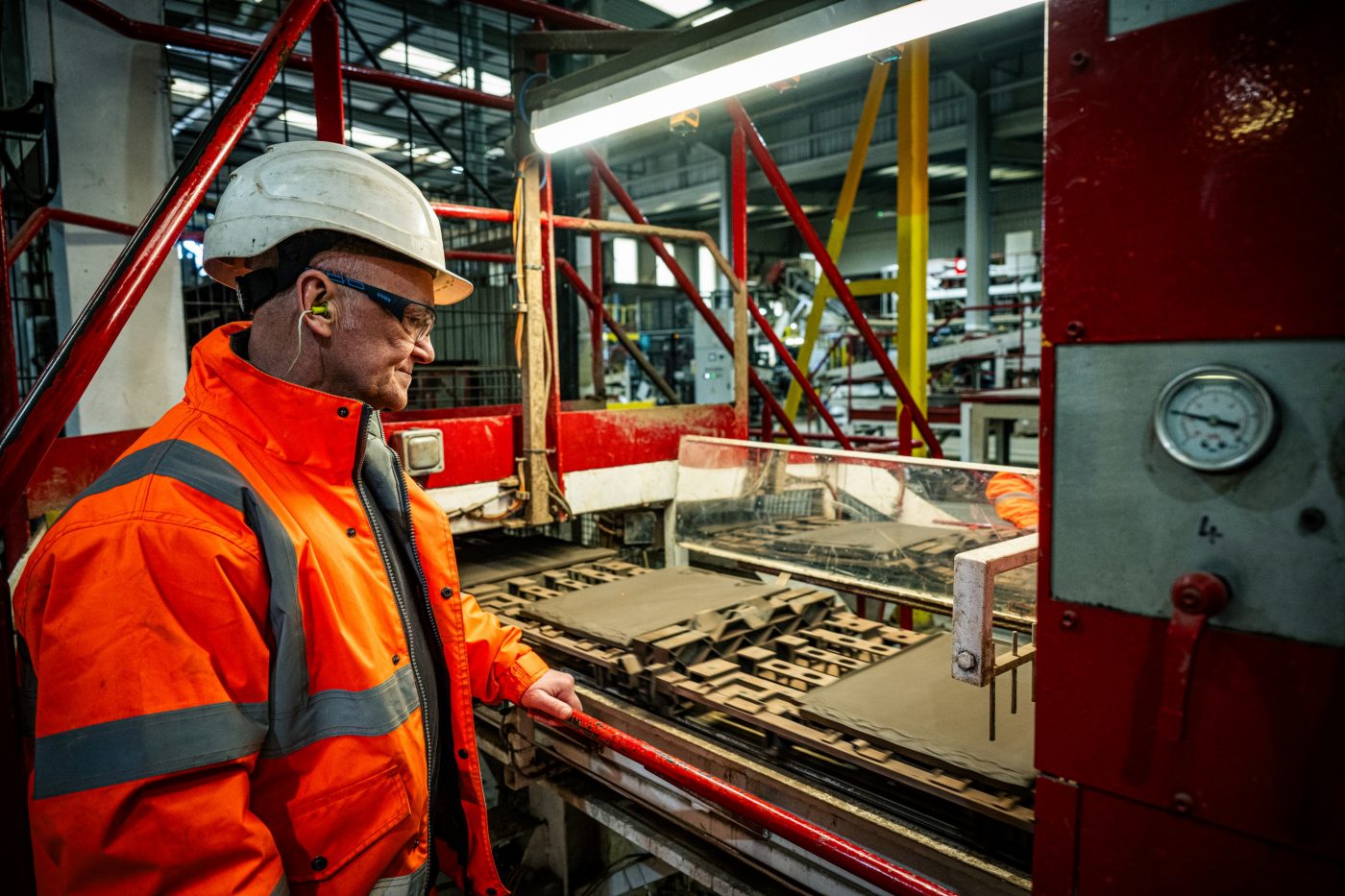
Following investments at our Sandtoft and Goxhill tileworks, which transform our existing operations, our Smeed Dean tileworks in Sittingbourne shows what’s possible when environmental sustainability is built in from the outset.
As our first concrete roof tile factory in the South of England, the 7,800 m² site is fully electrified and designed to embed environmental sustainability at every stage of production. It manufactures Danum TLE large format and plain concrete tiles across two production lines.
By locating production closer to southern markets, Smeed Dean also reduces average transport distances by over 200 miles, cutting associated transport emissions while strengthening regional supply resilience.
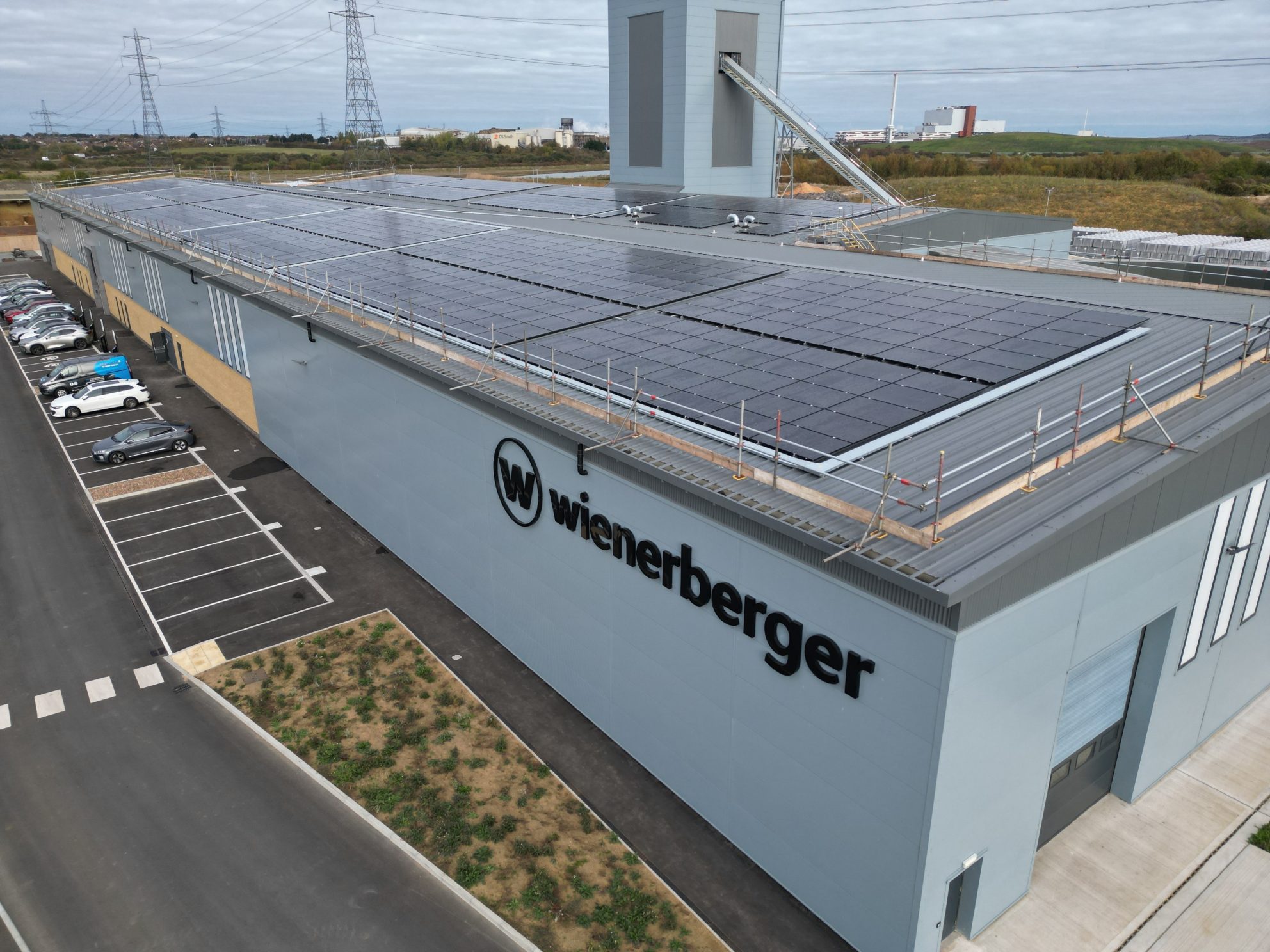
We have reduced embodied carbon of our plastic pipes, fittings and roofline drainage systems by installing solar panels on the roof of our Sittingbourne factory. This array is designed to provide around 20% of the site’s annual consumption, with the remaining power supplied via a deep green electricity contract.
Our investment in solar panels amplifies the impact of our carbon reduction plan for this site that also includes:
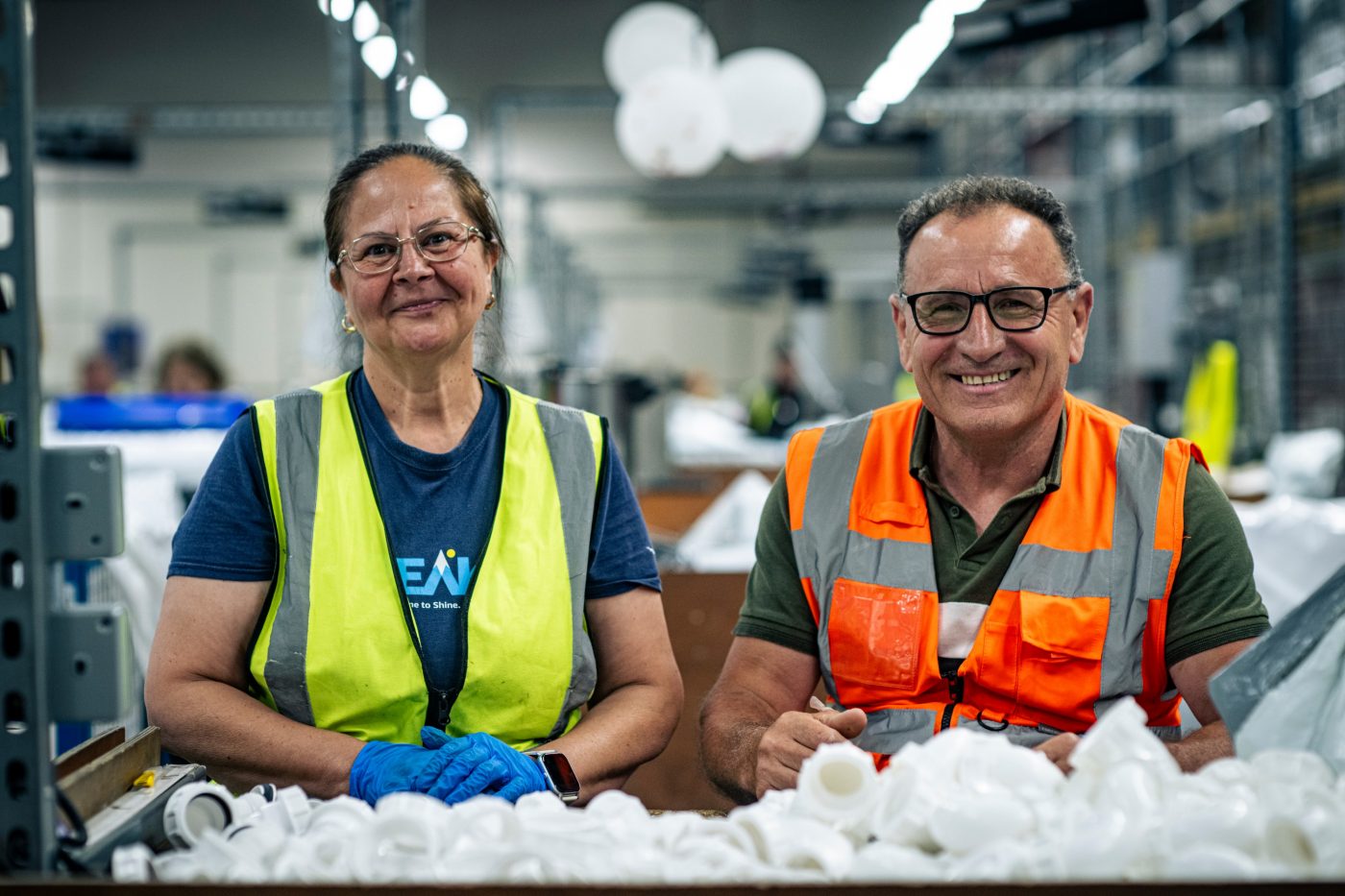
We are also moving away from fossil fuels in our vehicles and mobile plant. This includes our company car fleet, our forklift trucks and working with our haulier partners to transition to renewable electricity and lower carbon fuels. There are still some practical challenges to overcome, however some of our success stories so far include:
Together, our investments to replace fossil fuels with renewable energy across our product portfolio demonstrate a practical, scalable pathway to lower‑carbon manufacturing. We are accelerating the transition to lower carbon construction by investing in manufacturing technologies that reduce emissions, improve efficiency and strengthen resilience across our UK operations.


.jpg)

