
Improving the way we manufacture, for what’s next

Improving the way we manufacture, for what’s next
At wienerberger, we constantly pursue energy efficiency improvements as we manufacture our products. When paired with fuel switching activities and raw material optimisation, energy efficiency helps us decarbonise our manufacturing processes. This matters because the embodied carbon of building materials is largely determined during production, making our factories a critical focus for action.
That’s why we are investing in technologies to recover waste heat, process optimisation and management systems that provide us with the data, information and knowledge to identify and pursue energy efficiency opportunities.
At our Broomfleet tileworks in East Yorkshire, we have installed a heat recovery system that captures energy from kiln exhaust gases and reuses it to preheat the combustion air and drying chamber air. It uses an indirect heat transfer system via a pressurised hot water circuit, a first for the ceramics industry at the time.
Since installation in 2022, the system has delivered:
This project was supported by consultants from Heatcatcher, with funding from the UK Government’s Industrial Heat Recovery Support programme, demonstrating how collaboration can accelerate industrial decarbonisation.
This system was installed on one of several production lines at Broomfleet, and complements our investment in an electric kiln powered by renewable electricity, designed to eliminate natural gas use from drying and firing processes and significantly reduce emissions.
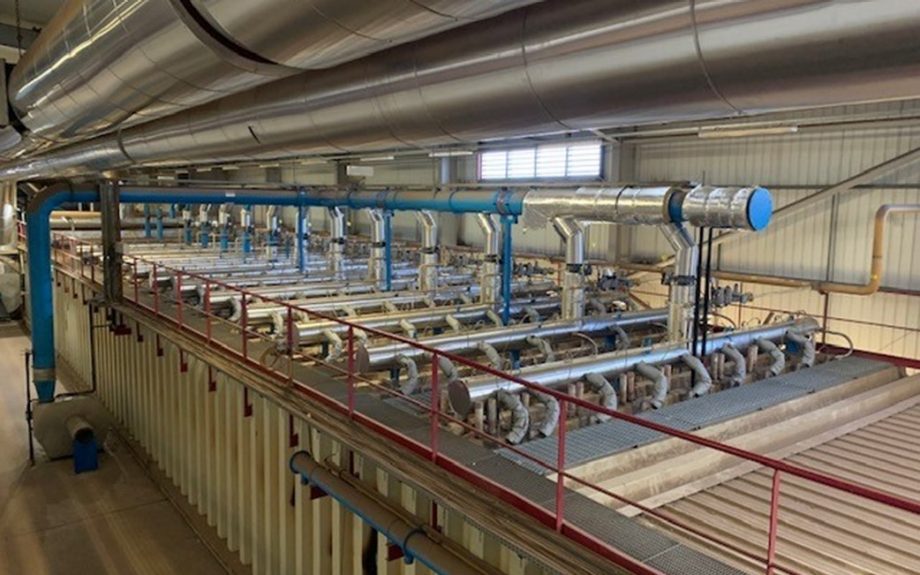
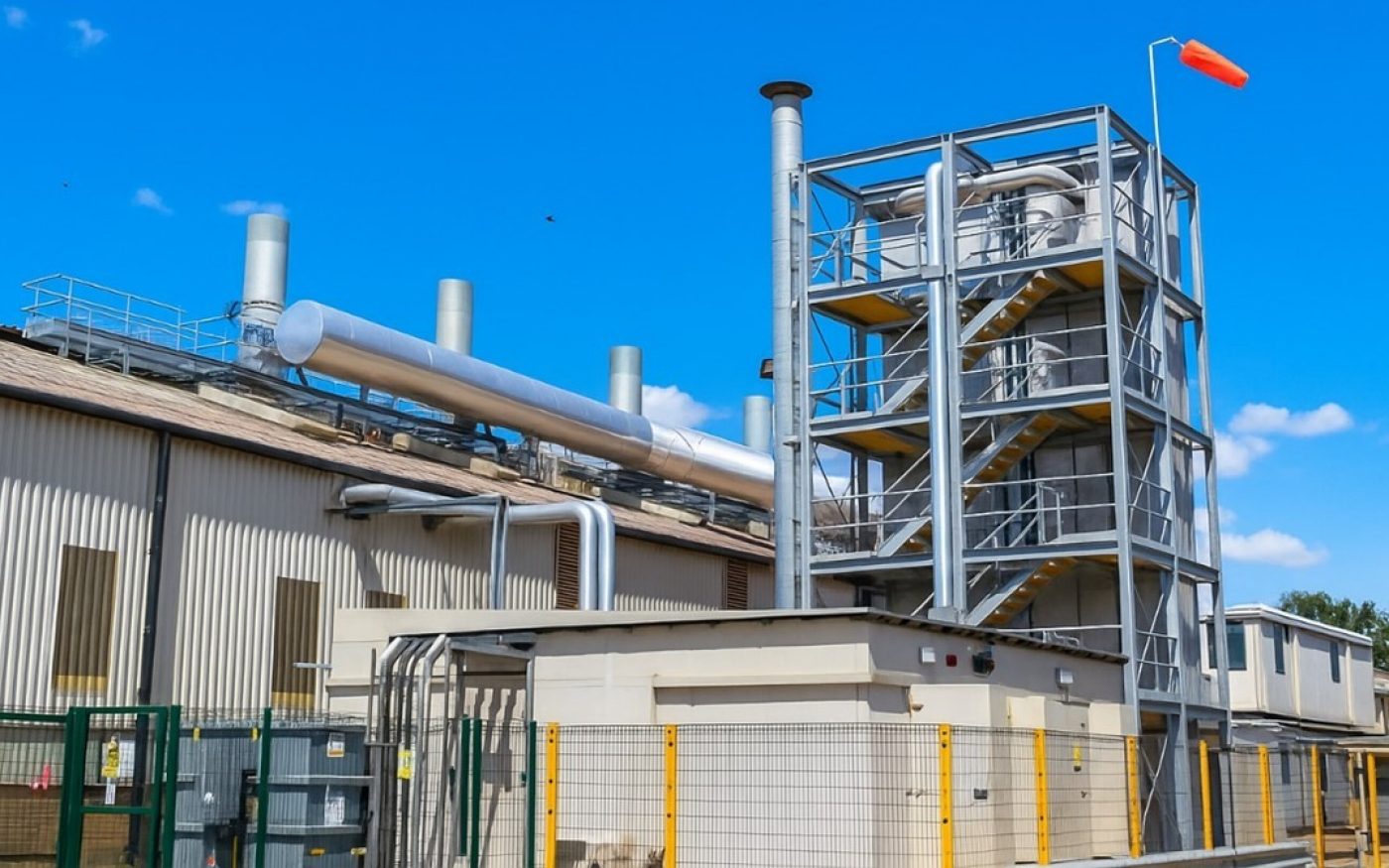
To reduce emissions from brick drying, we have invested in electric heat pump technology at our Warnham brickworks. This heat pump technology captures waste heat from dryer chamber exhausts, upgrades it, and returns it to the manufacturing process for reuse.
The project should deliver an annual reduction of approximately 3,700 tonnes of carbon emissions, equivalent to 16% of the factory’s annual carbon emissions.
The heat pump also:
At our Hartlebury brickworks, we reduced annual electricity consumption by 8% and improved operational resilience by upgrading electrical infrastructure.
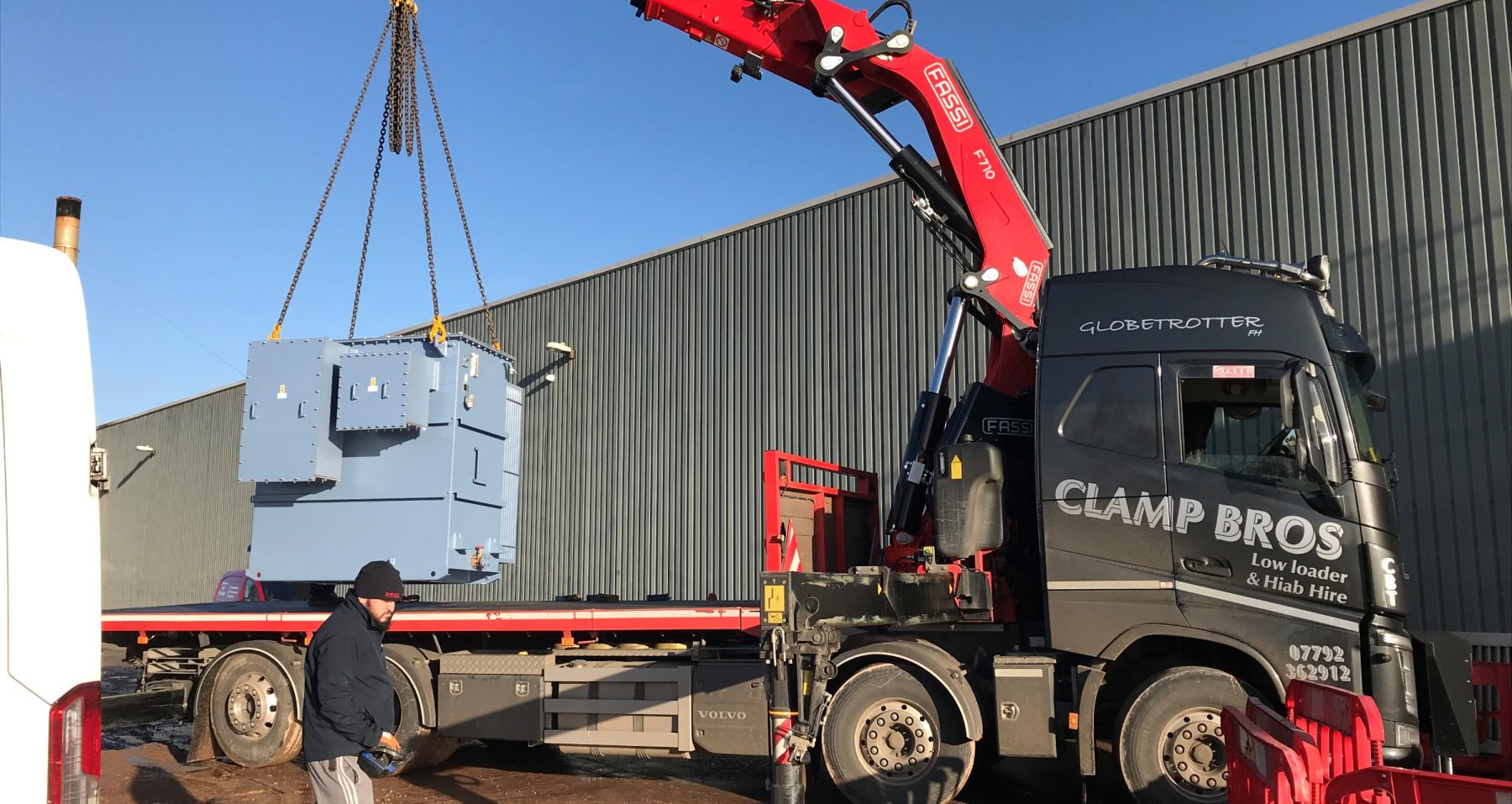
Working with Powerstar, we replaced an ageing transformer with a new low-loss unit that includes voltage optimisation technology. This delivered:

Whilst fuel switching can produce step-change reductions in carbon emissions, energy efficiency improvements culminate over time to steadily lower emissions and play an important role in minimising residual emissions on our pathway to net-zero carbon emissions by 2050.
